
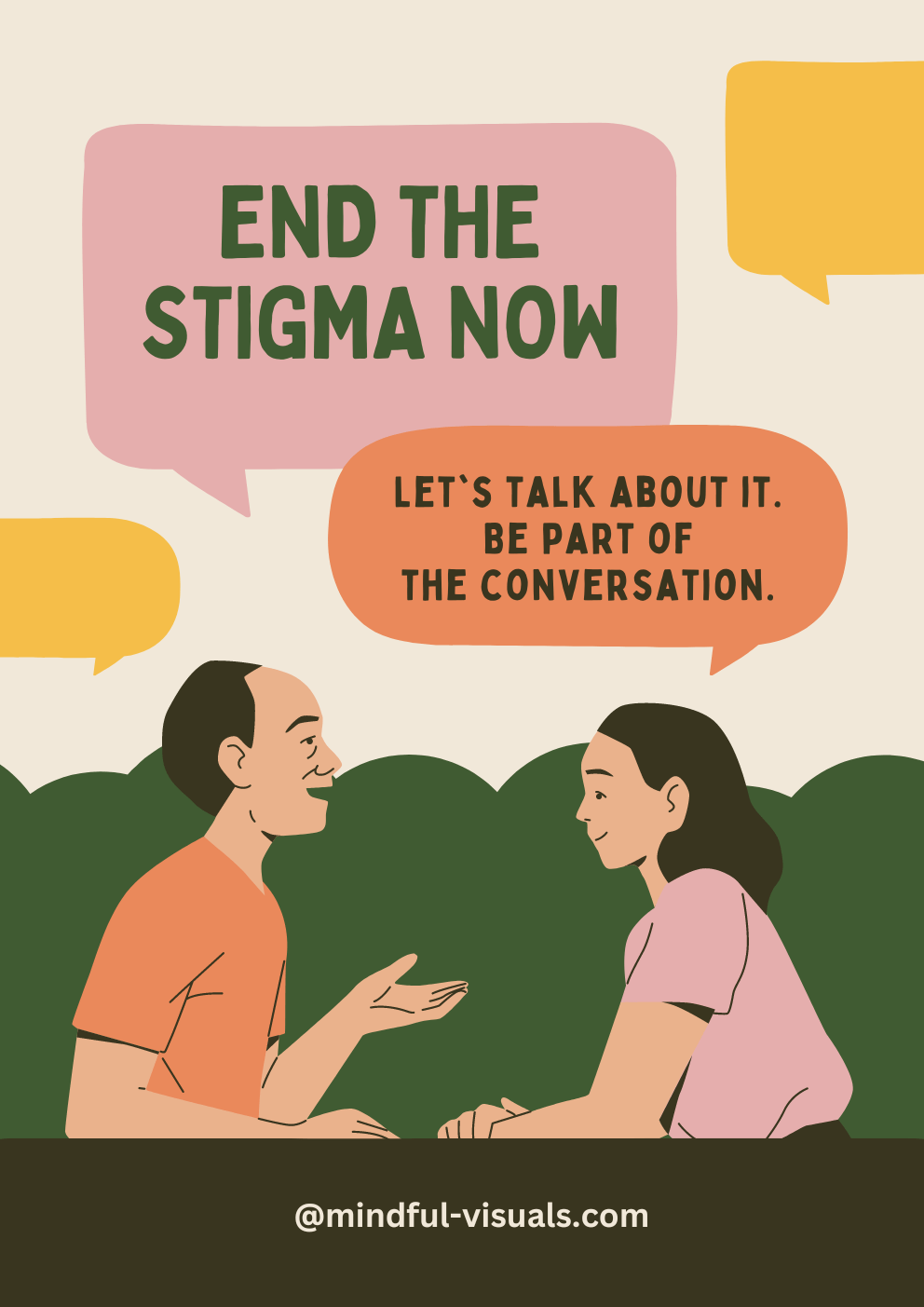
Mental health is an essential aspect of overall well-being, yet it remains shrouded in stigma and misunderstanding. The persistent stigma surrounding mental health prevents individuals from seeking help, leads to discrimination, and perpetuates harmful stereotypes. It is crucial for us to address this issue head-on, dismantle the barriers of mental health stigma, and create a supportive and empathetic society.
In this blog post, we will explore the damaging effects of mental health stigma and discuss how we can collectively work towards breaking these chains.
- Understanding Mental Health Stigma
- The Consequences of Stigma
- Challenging Stigma: Steps Towards Change

Understanding Mental Health Stigma
Mental health stigma refers to the negative attitudes, stereotypes, and discrimination that surround mental health conditions. It is fueled by misconceptions, fear, and a lack of knowledge, leading to a pervasive sense of shame and silence surrounding mental health issues. This stigma often labels individuals with mental illnesses as weak, dangerous, or incapable, further isolating them from society and hindering their recovery process.
The Consequences of Stigma
The consequences of mental health stigma are far-reaching and can have severe implications for individuals and society as a whole. Stigma acts as a significant barrier to seeking help, as individuals may fear judgment, rejection, or the potential impact on their personal and professional lives. This delay in seeking treatment can worsen mental health conditions and lead to a higher risk of suicide.
Stigma also perpetuates a cycle of discrimination. People with mental health conditions may face prejudice in education, employment, housing, and relationships. The resulting social exclusion exacerbates their feelings of isolation and hinders their ability to participate fully in society.
Stigma, Prejudice and Discrimination Against People with Mental Illness
Challenging Stigma: Steps Towards Change
Education and Awareness:
The first step in combating mental health stigma is to educate ourselves and others. By dispelling myths and providing accurate information, we can foster a better understanding of mental health conditions and promote empathy and support.
Open Dialogue:
Creating safe spaces for open dialogue about mental health is crucial. Encouraging individuals to share their experiences can help break down barriers, challenge stereotypes, and demonstrate that mental health issues are a part of the human experience.
Language Matters:
The language we use shapes our perceptions. Using respectful and inclusive language when discussing mental health helps reduce stigma and promotes a more compassionate environment.
Media Representation:
The media plays a powerful role in shaping public opinion. Encouraging accurate and sensitive portrayals of mental health in films, TV shows, and other media can help challenge stereotypes and promote understanding.
Support Networks:
Building strong support networks is vital for individuals with mental health conditions. By offering support, understanding, and empathy, we can create an environment that reduces stigma and encourages individuals to seek help.
Advocacy and Policy Change:
Advocacy efforts can help bring about systemic changes to combat mental health stigma. By lobbying for improved access to mental health services, funding for research, and anti-stigma campaigns, we can work towards creating a society that supports mental health.
The fight against mental health stigma requires collective effort and ongoing commitment. By challenging misconceptions, fostering understanding, and creating supportive environments, we can break the chains of stigma and pave the way for a more inclusive and compassionate society. It is time to embrace mental health as an essential aspect of our well-being and ensure that no one suffers in silence or isolation due to stigma. Together, let’s build a future where mental health is understood, accepted, and supported by all.
 Mindful-Visuals
Leave a comment