
- Understanding the Components of a Balanced Diet:
- Carbohydrates: Fuel for Your Body:
- Proteins: Building Blocks of Life:
- Healthy Fats: Nourishing Your Body:
- Vitamins and Minerals: A Rainbow of Nutrients:
- Hydration: The Power of Water:
- Moderation and Portion Control:
- Sustainable Eating Habits:
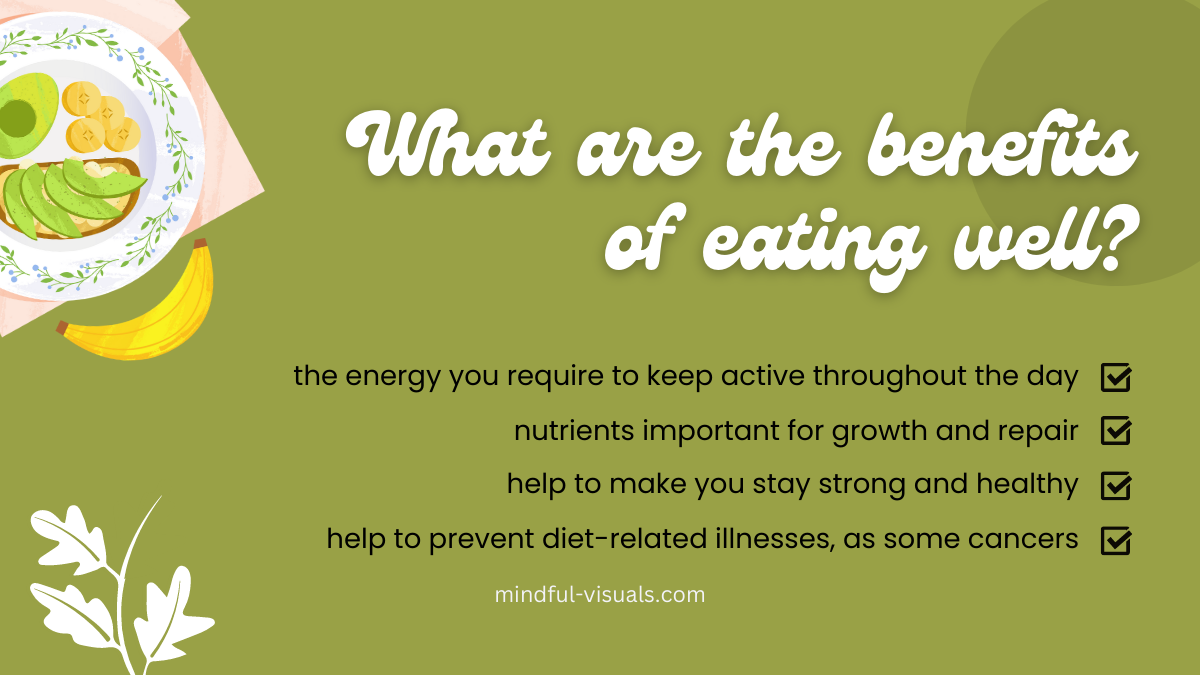

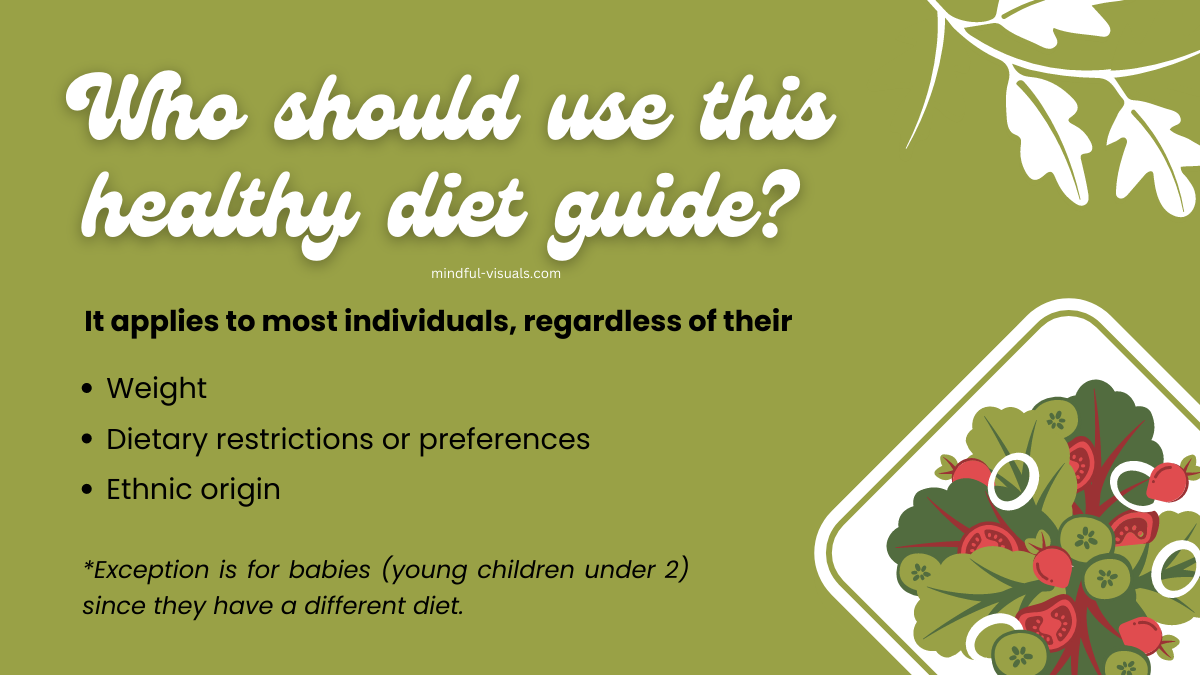
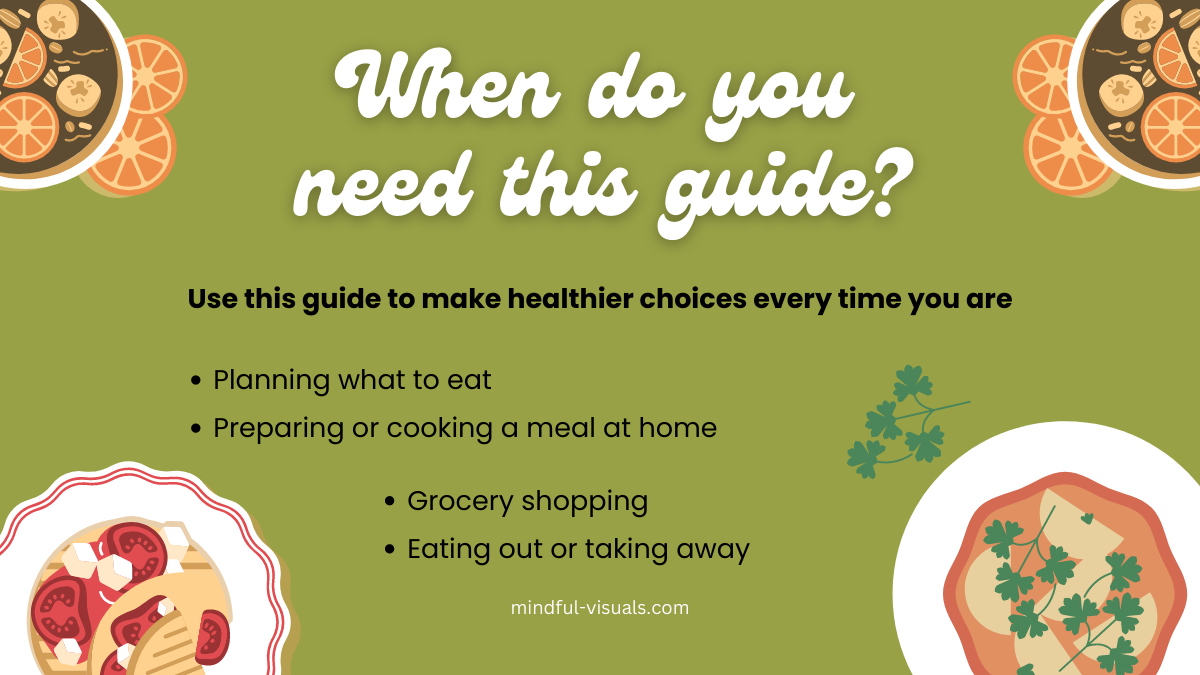


Maintaining a balanced diet is crucial for achieving optimal health and well-being. With the abundance of conflicting information and fad diets available today, it can be challenging to discern the right approach. However, understanding the basic principles of a balanced diet can empower you to make informed choices about your nutrition. In this blog post, we will explore the fundamentals of a balanced diet and provide practical tips to help you adopt healthy eating habits for life.
Understanding the Components of a Balanced Diet:
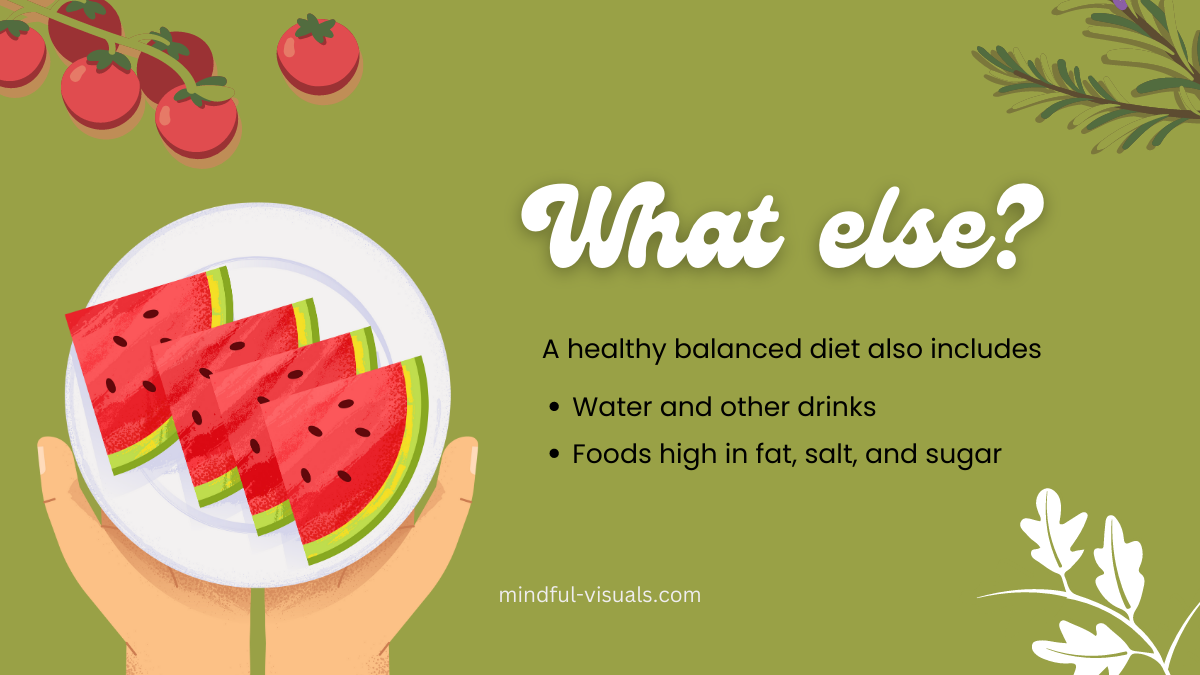
A balanced diet consists of the right proportions of macronutrients (carbohydrates, proteins, and fats), along with essential vitamins, minerals, and water. Each of these components plays a vital role in supporting bodily functions and maintaining overall health. Incorporating a variety of food groups ensures that you receive all the necessary nutrients your body needs to thrive.
Carbohydrates: Fuel for Your Body:
Carbohydrates are the body’s primary source of energy. Include complex carbohydrates, such as whole grains, legumes, and vegetables, in your diet. These provide a steady release of energy and are rich in fiber, which aids digestion and promotes feelings of fullness.
Proteins: Building Blocks of Life:
Proteins are essential for growth, repair, and maintenance of body tissues. Incorporate lean sources of protein, such as poultry, fish, eggs, legumes, and nuts, into your meals. Varying protein sources ensures a complete range of essential amino acids.
Healthy Fats: Nourishing Your Body:
Contrary to popular belief, not all fats are bad for you. Healthy fats, such as those found in avocados, nuts, seeds, and olive oil, are crucial for brain function, hormone production, and vitamin absorption. Limit saturated and trans fats found in processed and fried foods, as they can contribute to heart disease and other health issues.
Vitamins and Minerals: A Rainbow of Nutrients:
A balanced diet should include a diverse array of fruits and vegetables, which provide a wide range of vitamins, minerals, and antioxidants. Aim to eat fruits and vegetables of different colors, as each hue represents unique nutritional properties.
Hydration: The Power of Water:
Water is often overlooked but is essential for maintaining overall health. It aids digestion, regulates body temperature, and helps transport nutrients and waste products throughout the body. Make it a habit to drink an adequate amount of water each day.
Moderation and Portion Control:
While a balanced diet emphasizes nutritious food choices, it also allows for occasional indulgences. Practice moderation and portion control to ensure a healthy relationship with food. Listen to your body’s hunger and fullness cues and enjoy treats in moderation without guilt.
Sustainable Eating Habits:
Adopting a balanced diet is not a temporary fix but a long-term lifestyle change. Choose sustainable eating habits that you can maintain over time. Focus on gradual changes, such as incorporating more whole foods into your meals and reducing processed food consumption.
Achieving a balanced diet is about nourishing your body with a variety of foods that provide essential nutrients while enjoying a sense of flexibility and moderation. By understanding the components of a balanced diet and implementing practical tips like portion control and sustainability, you can create a foundation for a healthier and happier life. Remember, it’s not about perfection but about progress and making informed choices that support your overall well-being.
 Mindful-Visuals
Leave a comment