
- The Importance of Lighting in 3D
- Understanding Texturing in 3D
- Workflow and Tools for 3D Lighting and Texturing
- Advanced Techniques and Tips
In the realm of 3D graphics, lighting, and texturing play a pivotal role in bringing virtual environments to life. Whether you’re creating stunning visual effects for a movie, developing realistic video game worlds, or crafting architectural visualizations, understanding the principles and techniques of 3D lighting and texturing is essential. In this blog post, we’ll delve into the fascinating world of 3D lighting and texturing, exploring fundamental concepts, industry-standard practices, and tips to elevate your creations to new heights.
The Importance of Lighting in 3D
Lighting serves as the backbone of any visual composition. In 3D graphics, it not only determines the visibility of objects but also influences their mood, atmosphere, and realism. We’ll discuss various types of lighting techniques, such as global illumination, ambient lighting, and direct lighting, and examine how each contributes to creating compelling visuals. Understanding concepts like light sources, shadows, and light properties will help you craft scenes that evoke the desired emotions and immerse viewers in your digital worlds.

The Importance of Lighting in 3D Visualization and Rendering
Understanding Texturing in 3D
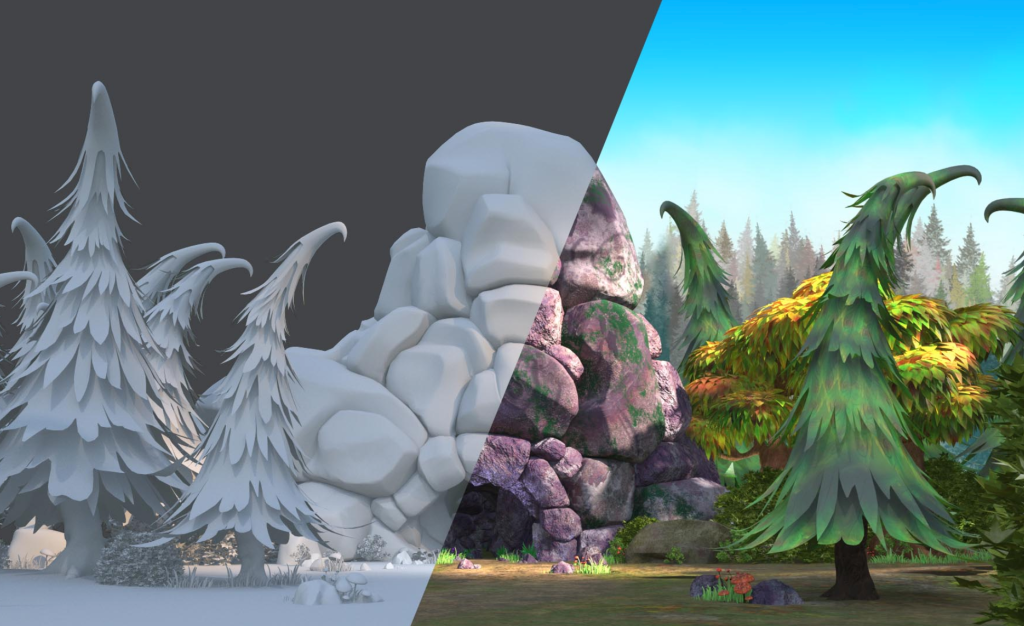
Texturing breathes life into 3D models, providing them with surface details, materials, and visual richness. We’ll explore the fundamentals of texturing, including UV mapping, texture channels, and material properties. From procedural textures to image-based textures, we’ll discuss different methods to create realistic surfaces and delve into advanced techniques like bump mapping, displacement mapping, and normal mapping. We’ll also touch upon material libraries, substance designer tools, and PBR (Physically Based Rendering) workflows to achieve stunning visual fidelity.
Workflow and Tools for 3D Lighting and Texturing
Mastering the art of 3D lighting and texturing requires proficiency in industry-standard software and an understanding of efficient workflows. We’ll highlight popular software packages such as Autodesk Maya, Blender, Substance Painter, and Unity, discussing their features and capabilities related to lighting and texturing. We’ll explore the integration of these tools into a streamlined pipeline, covering topics like UV unwrapping, texture painting, light rigging, and scene optimization. Additionally, we’ll touch upon the importance of referencing real-world lighting and utilizing reference images to enhance the believability of your digital creations.

How Does 3D Texturing Work? Top 3D Texturing Tools to Check
Advanced Techniques and Tips
In this section, we’ll delve into advanced techniques that can take your lighting and texturing skills to the next level. We’ll discuss concepts like HDR (High Dynamic Range) lighting, global illumination, and real-time rendering techniques. Additionally, we’ll explore the use of volumetric lighting, light baking, and post-processing effects to add depth and realism to your scenes. We’ll also provide tips and tricks for achieving optimal performance without sacrificing visual quality, ensuring your creations are visually stunning while being efficient and responsive.
Tips and techniques for mastering 3D lighting in CGI
Mastering 3D lighting and texturing is an ongoing journey, as technology continues to evolve, and new tools and techniques emerge. By understanding the principles, experimenting with different approaches, and continuously learning from industry trends, you can elevate your digital creations to new heights. Whether you aspire to work in the film, gaming, or architectural visualization industry, a solid foundation in 3D lighting and texturing is crucial. Embrace the power of light and texture to captivate your audience and bring your virtual worlds to life!
 Mindful-Visuals
Leave a comment