
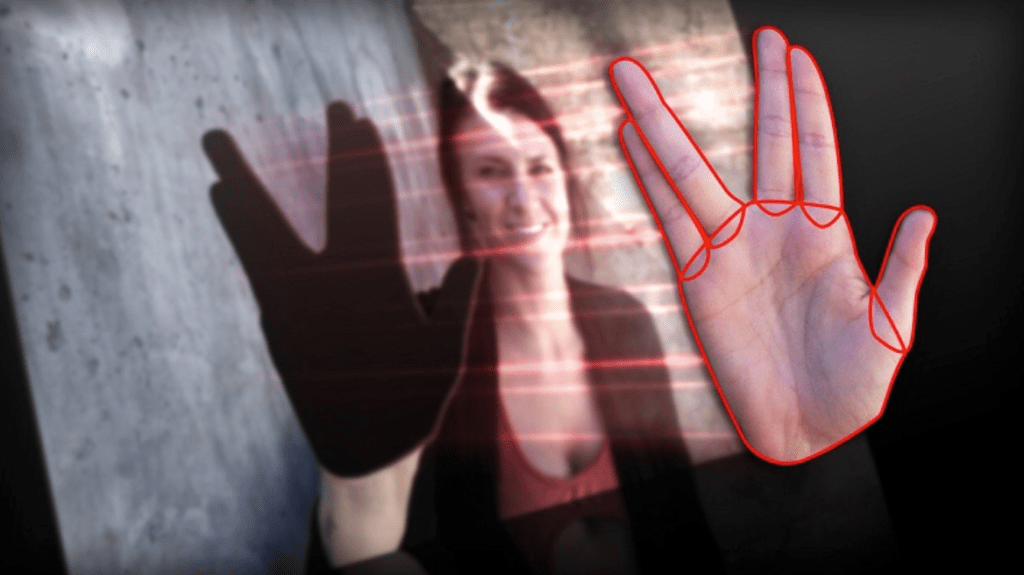
In the world of visual effects, there exists a technique that has been captivating audiences and enhancing the art of filmmaking for decades. It’s called rotoscoping, and it involves the meticulous process of isolating and tracking elements within a video footage frame by frame. This intricate technique has been used to create clean plates, remove unwanted objects or people, and enhance specific aspects of a scene. In this blog post, we will delve into the fascinating world of rotoscoping, exploring its history, applications, and its role in the realm of visual effects.
- The Origins of Rotoscoping:
- The Rotoscoping Process:
- Applications of Rotoscoping:
- The Art of Rotoscoping:
The Origins of Rotoscoping:
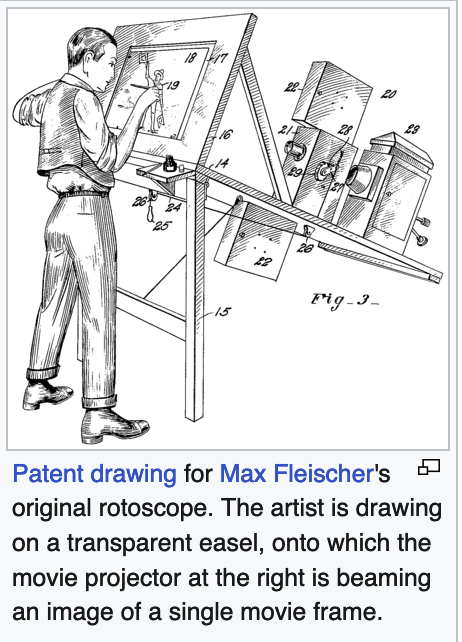
Rotoscoping traces its origins back to the early days of animation and filmmaking. The technique was first developed by Max Fleischer in the early 1910s as a means to achieve more realistic and fluid character movements in his animated films. Fleischer’s invention, known as the rotoscope, involved projecting live-action footage onto a glass panel, allowing animators to trace the frame of the movement by frame.
The Rotoscoping Process:

Modern rotoscoping techniques have evolved significantly since the early days, but the fundamental principle remains the same. Today, visual effects artists utilize advanced software tools to manually isolate and track elements within video footage. The process typically involves the following steps:
a) Importing the Footage: The first step in rotoscoping is to import the video footage into a specialized software program that supports rotoscoping capabilities. This software allows the artist to work on individual frames and manipulate the elements within them.
b) Frame-by-Frame Isolation: The artist then carefully traces the desired elements within each frame, creating a matte or mask that separates the foreground from the background. This can be a time-consuming process, as it requires precision and attention to detail.
c) Refining the Matte: Once the initial isolation is complete, the artist refines the matte to ensure smooth edges and accurate representation of the desired elements. This step is crucial for seamless integration with other visual effects or background replacement.
d) Tracking and Adjustments: In some cases, the tracked elements may need adjustments to match the movement or perspective changes in the footage. Visual effects artists use tracking tools to ensure that the rotoscoped elements align correctly with the underlying video.
Applications of Rotoscoping:
Rotoscoping has found numerous applications in the realm of visual effects and filmmaking. Some of the common uses include:
a) Clean Plates: Rotoscoping is often employed to create clean plates, which are shots of the background without any unwanted objects or people. This allows for easy removal of elements that should not be present in the final shot, such as wires, boom microphones, or even entire individuals.
b) Character Animation: Rotoscoping can be used as a reference tool for animators to create more realistic and fluid character movements. By tracing over live-action footage, animators can capture the nuances of human motion and apply them to animated characters, resulting in more lifelike performances.
Learn all about this animation technique
c) Visual Effects Integration: Rotoscoping plays a crucial role in integrating visual effects seamlessly into live-action footage. By isolating specific elements, such as actors or props, visual effects artists can apply various effects or replace backgrounds while maintaining a realistic appearance.
d) Image Manipulation: Rotoscoping techniques can also be employed for image manipulation purposes, such as enhancing or altering specific elements within a scene. This can range from adjusting colors or lighting to selectively applying effects to specific regions.
Realistic Animation – How to Rotoscope in Photoshop
The Art of Rotoscoping:
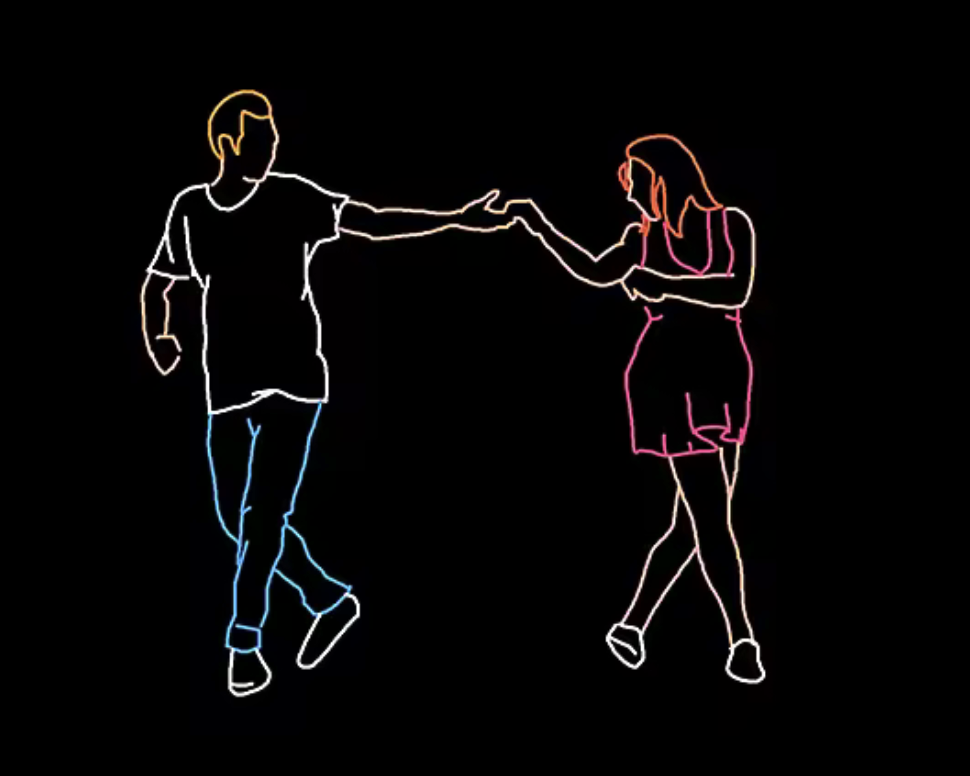
While rotoscoping is a technical process, it also requires a certain level of artistic skill and understanding. Visual effects artists must not only possess a keen eye for detail but also be able to interpret and replicate natural movements and expressions accurately. Rotoscoping, at its core, is the marriage of technology and artistry.
Rotoscoping is a powerful visual effects technique that has revolutionized the world of filmmaking and animation. From its early beginnings as a manual tracing process to the advanced software tools available today, rotoscoping continues to push the boundaries of what is visually achievable. Its applications are vast, ranging from creating clean plates to integrating complex visual effects seamlessly. As technology advances, we can expect rotoscoping to evolve further, enabling filmmakers and visual effects artists to bring their creative visions to life in new and exciting ways.
 Mindful-Visuals
Leave a comment