

- Acknowledge and Accept Emotions:
- Seek Support:
- Practice Self-Care:
- Focus on the Present Moment:
- Develop Problem-Solving Skills:
- Maintain a Healthy Lifestyle:
- Cultivate Optimism and Resilience:
Life is an ever-changing journey filled with both joys and hardships. Challenges are inevitable, and how we cope with them greatly impacts our overall well-being. Developing effective coping strategies is essential for maintaining a positive mindset and successfully navigating through life’s ups and downs. In this blog post, we will explore several proven coping strategies that can help you build resilience, manage stress, and embrace personal growth.
Acknowledge and Accept Emotions:
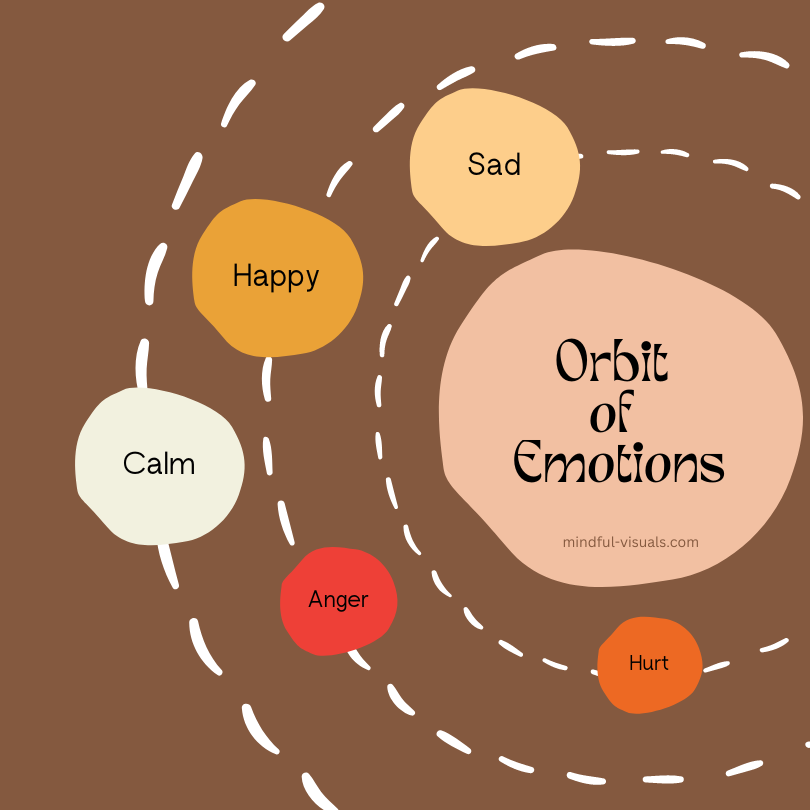
One of the fundamental steps in coping with any difficult situation is to acknowledge and accept your emotions. Whether it’s anger, sadness, or fear, allowing yourself to experience and express these emotions is crucial. Avoid suppressing or denying your feelings, as this can lead to additional stress. Instead, find healthy outlets such as talking to a trusted friend or journaling, which can provide a sense of relief and perspective.
Seek Support:

Don’t underestimate the power of seeking support during challenging times. Reach out to your loved ones, friends, or a support group to share your concerns and emotions. Surrounding yourself with a supportive network of people who genuinely care about your well-being can provide comfort, encouragement, and valuable advice. Remember, you don’t have to face difficulties alone.
Practice Self-Care:
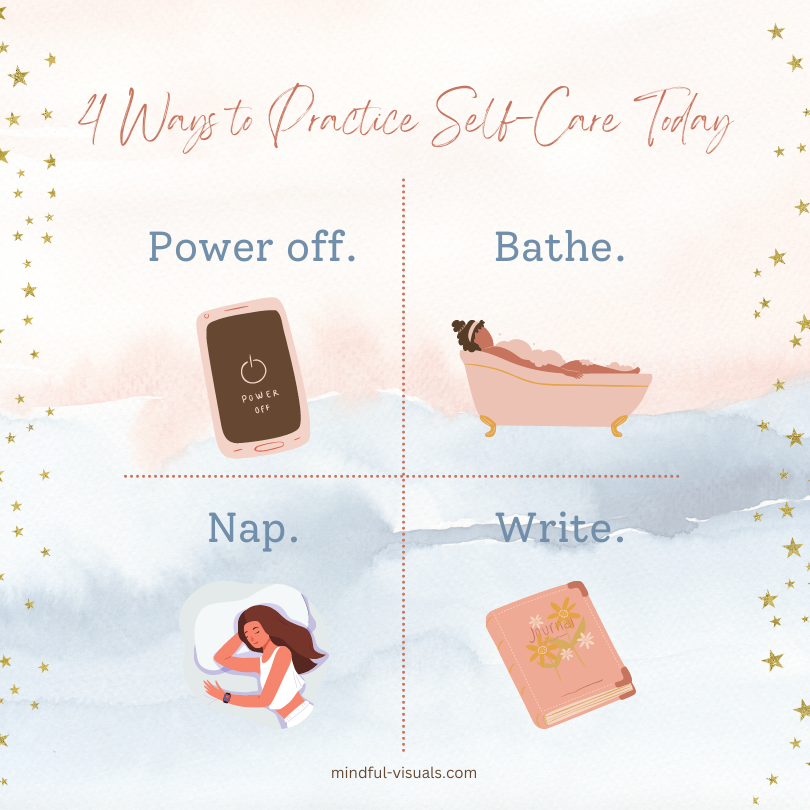
Self-care plays a vital role in coping with stress and maintaining a healthy mindset. Engage in activities that promote relaxation and self-nourishment. This may include exercise, meditation, pursuing hobbies, spending time in nature, or enjoying a soothing bath. Prioritize your physical and mental well-being, and ensure you are taking care of yourself on all levels.
Focus on the Present Moment:
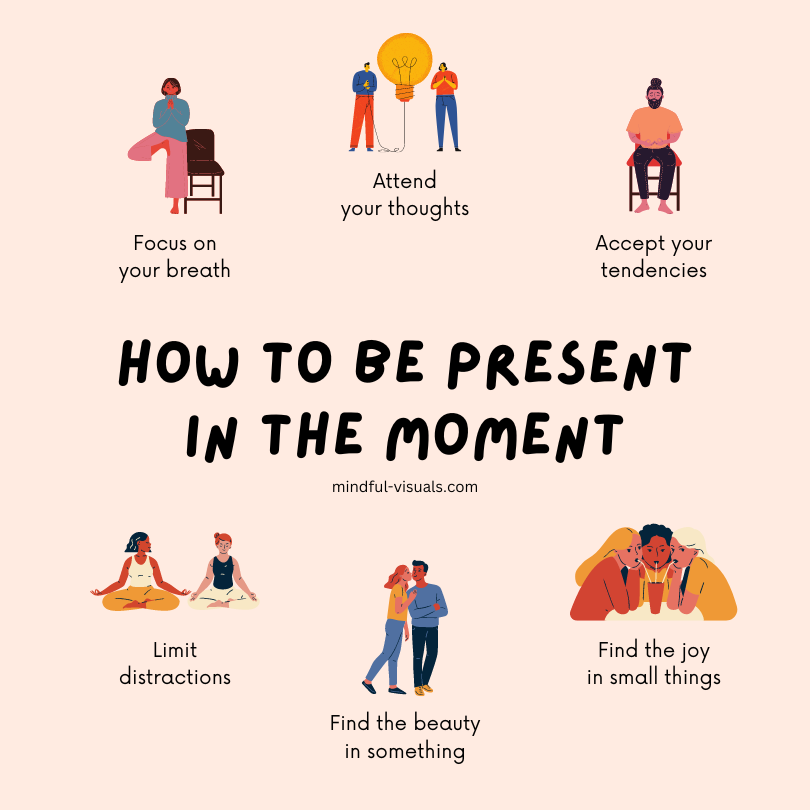
Often, we become overwhelmed by worrying about the past or the future. To cope effectively, practice mindfulness and focus on the present moment. Engage in activities that bring you joy and allow you to be fully present, such as practicing gratitude, engaging in creative endeavors, or participating in mindfulness exercises. By redirecting your attention to the present, you can reduce stress and gain a greater sense of control.
Develop Problem-Solving Skills:
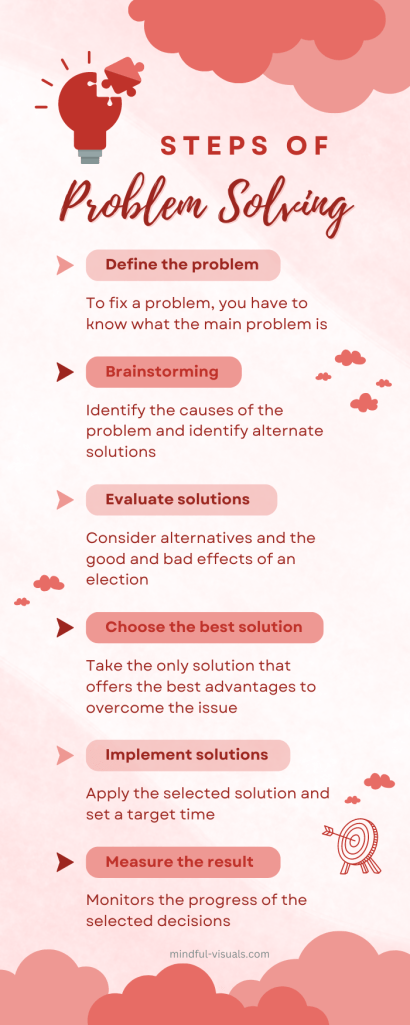
Instead of dwelling on problems, channel your energy into developing problem-solving skills. Break down complex issues into manageable steps, set achievable goals, and take proactive measures to overcome obstacles. By adopting a solution-oriented mindset, you empower yourself to face challenges head-on and find effective strategies for resolution.
Maintain a Healthy Lifestyle:
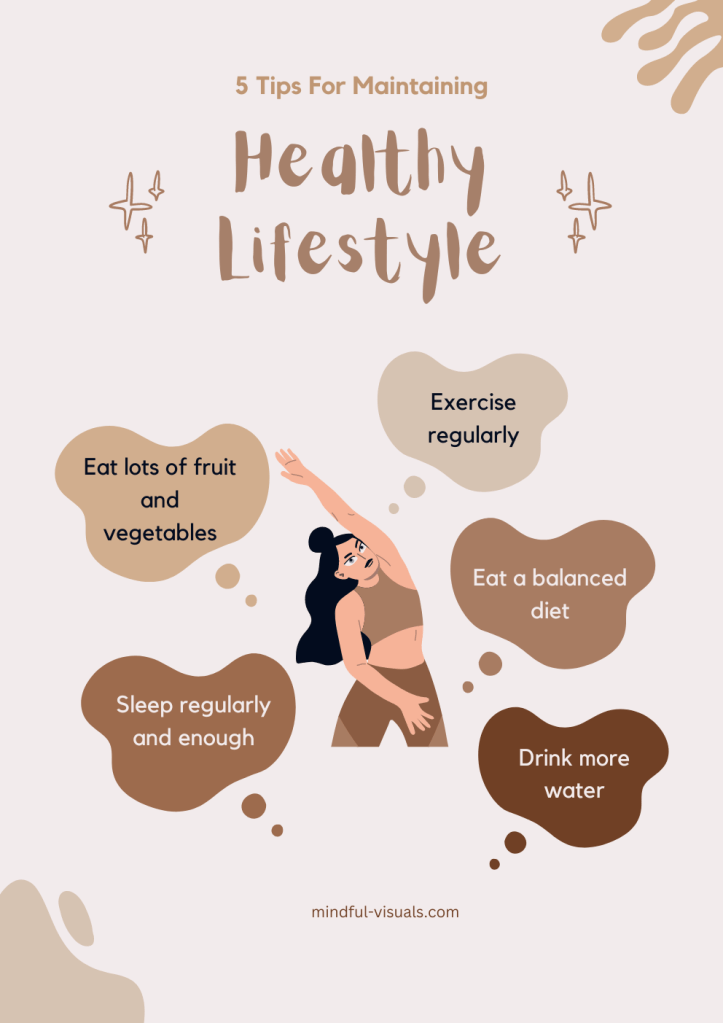
A healthy lifestyle forms a solid foundation for coping with life’s challenges. Ensure you are getting enough sleep, eating a balanced diet, and engaging in regular physical activity. Physical well-being significantly impacts mental and emotional resilience, so prioritize self-care in all aspects of your life.
Cultivate Optimism and Resilience:
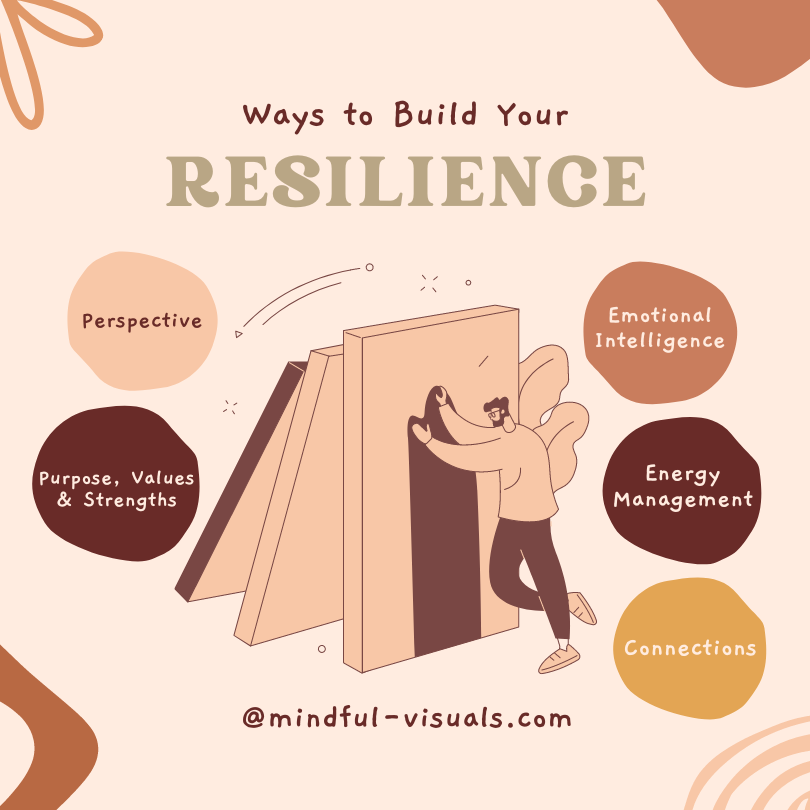
Maintaining a positive outlook and cultivating resilience is essential when facing adversity. Remember that setbacks are temporary and offer opportunities for growth and learning. Embrace an optimistic mindset, focus on your strengths, and develop a belief in your ability to overcome obstacles. By reframing challenges as opportunities for personal development, you can strengthen your resilience and cope more effectively.
Life’s challenges may seem daunting, but by implementing these coping strategies, you can navigate them with grace and resilience. Remember to acknowledge your emotions, seek support, practice self-care, stay present, develop problem-solving skills, maintain a healthy lifestyle, and cultivate optimism. Embrace each challenge as an opportunity for growth and remember that you possess the inner strength to overcome any obstacle that comes your way.
 Mindful-Visuals
Leave a comment