

- Understanding Suicide:
- Identifying Warning Signs and Risk Factors
- The Power of Communication and Support
- Creating Supportive Environments
- Spreading Awareness and Advocacy
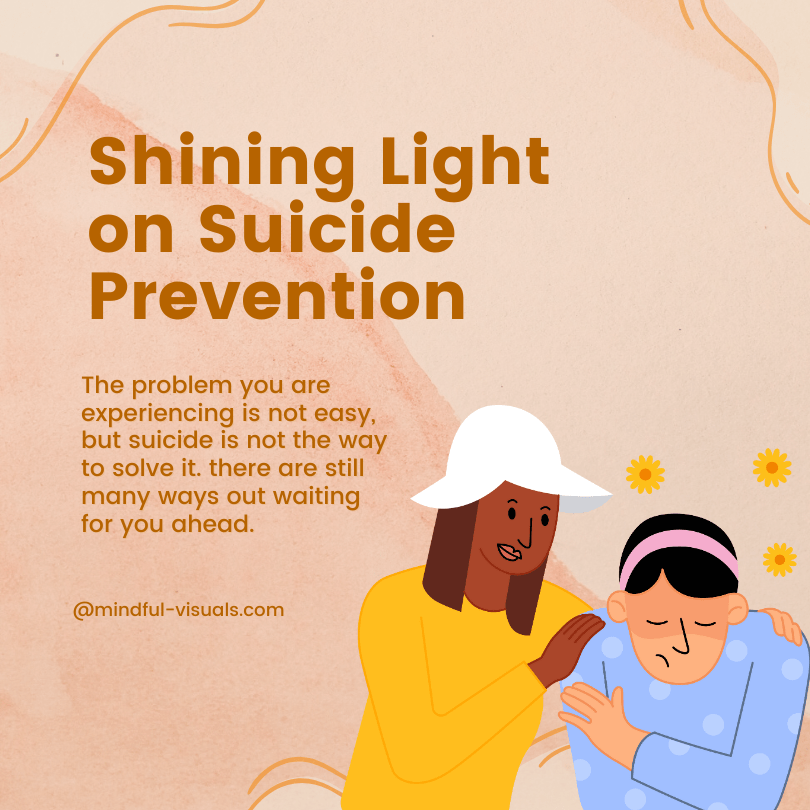
In today’s world, where mental health issues are increasingly prevalent, suicide remains a tragic and devastating reality. Each year, millions of lives are lost to suicide, leaving behind heartbroken families and communities grappling with grief. However, amidst this darkness, there is hope. By raising awareness, offering support, and promoting understanding, we can make a profound difference in preventing suicide and saving lives. In this blog post, we will explore the importance of suicide prevention and provide valuable insights on how we can all contribute to this critical cause.
Understanding Suicide
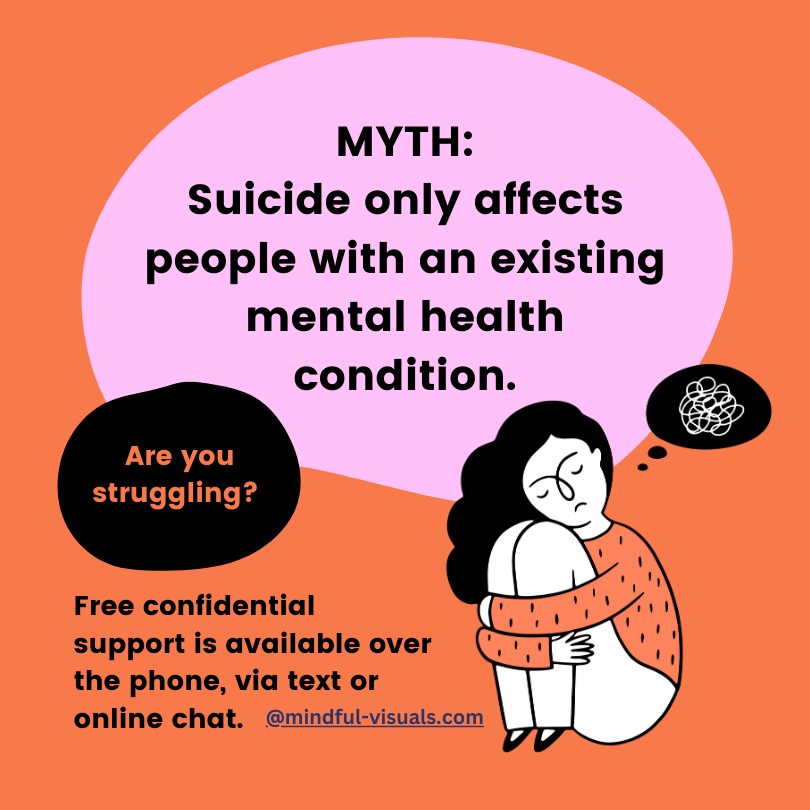
Suicide is a multifaceted issue that can stem from a myriad of factors, including mental health disorders, social isolation, trauma, substance abuse, and more. It is crucial to recognize that suicidal thoughts or actions are not simply a choice but rather a manifestation of deep pain and despair. By understanding the complexities surrounding suicide, we can cultivate empathy and compassion, reducing the stigma often associated with mental health challenges.
Identifying Warning Signs and Risk Factors
Recognizing the warning signs of suicidal behavior can enable early intervention and potentially save lives. Some common indicators include expressing feelings of hopelessness, withdrawal from social activities, changes in sleep patterns or appetite, giving away possessions, and talking about death or suicide. Additionally, certain risk factors, such as a history of mental health disorders, previous suicide attempts, or a family history of suicide, may increase an individual’s vulnerability. By familiarizing ourselves with these signs and risk factors, we can take proactive steps to offer support and intervention when necessary.
The Power of Communication and Support
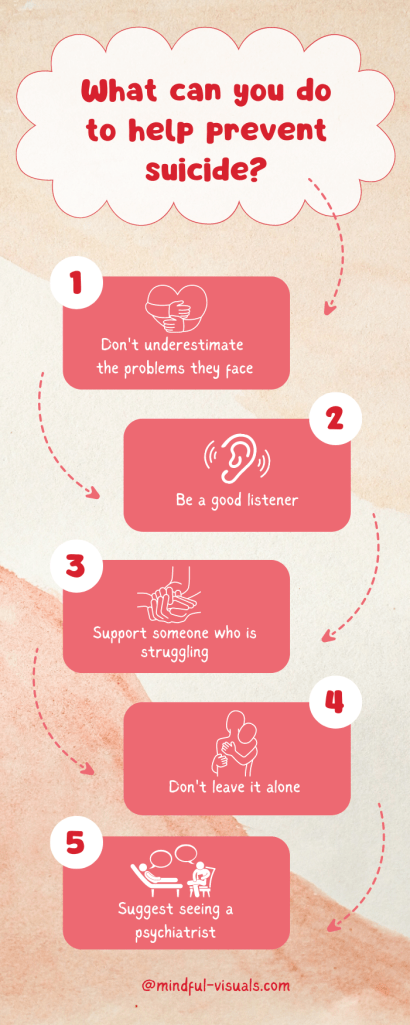
Open and compassionate communication is essential in suicide prevention. By lending a non-judgmental ear, we can create a safe space for individuals to share their struggles and feelings. It is crucial to let them know that they are not alone and that seeking help is a sign of strength. Encouraging them to reach out to mental health professionals, helplines, or support groups can provide them with the necessary resources to navigate their challenges effectively.
Creating Supportive Environments
Communities, educational institutions, and workplaces play a vital role in fostering environments that promote mental well-being and prevent suicide. Implementing mental health awareness programs, destigmatizing seeking help, and providing access to counseling services are crucial steps towards creating supportive environments. Building strong social connections and nurturing relationships also contribute significantly to an individual’s resilience and overall mental health.
Spreading Awareness and Advocacy
Raising awareness about suicide prevention is key to dismantling societal barriers and fostering change. Engaging in open conversations, sharing personal stories, organizing community events, and utilizing various media platforms can all contribute to reducing the stigma surrounding mental health. Additionally, advocating for improved mental health services, increased funding, and policies that prioritize mental well-being at both local and national levels is essential to creating lasting change.
Suicide prevention is a shared responsibility that requires collective effort and compassion. By educating ourselves, promoting understanding, and fostering supportive environments, we can create a world where every individual feels valued, heard, and supported. Together, we can make a difference and save lives. Let us join hands and shine a light on suicide prevention, for no one should face their struggles alone.
 Mindful-Visuals
Leave a comment