
Five ways to build strong relationships
- Self-Care as the Foundation
- Open and Honest Communication
- Cultivating Emotional Intelligence
- Boundaries and Mutual Respect
- Supportive and Empathetic Relationships
- Collaboration and Shared Goals
In today’s fast-paced and interconnected world, the importance of mental health cannot be overstated. Our mental well-being profoundly impacts every aspect of our lives, including our relationships. Whether it’s with our romantic partners, family members, friends, or colleagues, nurturing our mental health plays a vital role in building and maintaining healthy connections. In this blog post, we will explore the intricate relationship between mental health and relationships, and provide practical tips for fostering stronger and more fulfilling connections.
Self-Care as the Foundation
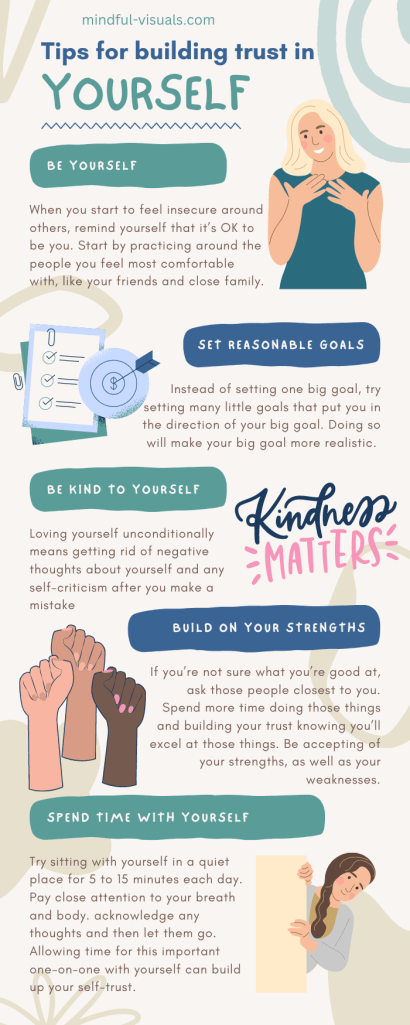
Before we can effectively engage in relationships, it is crucial to prioritize self-care and nurture our own mental health. Self-care activities like exercise, adequate sleep, mindfulness, and engaging in hobbies or interests are essential for maintaining emotional balance. By taking care of ourselves, we are better equipped to contribute positively to our relationships and offer support to others.
Self-care is the foundation of any healthy lifestyle, since it supplies individuals with the energy and motivation to pursue their passions. Allowing ample time for restful sleep, proper nutrition, and regular physical activity can help to create a balanced lifestyle that helps protect against disease, depression, and other illnesses. Practicing self-care can also reduce stress and improve overall well-being. Additionally, by taking part in activities that bring joy or relaxation, such as listening to music, taking a hot bath, or reading a good book, individuals can further bolster their mental health.
Open and Honest Communication
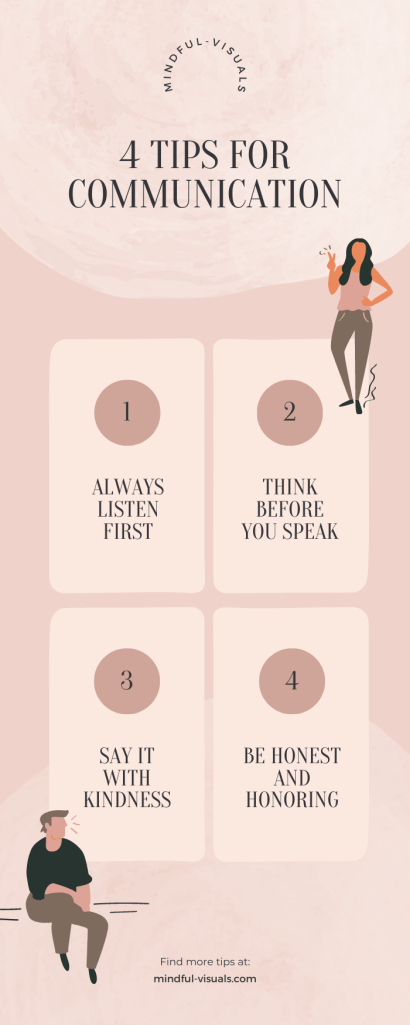
Communication is the cornerstone of any healthy relationship. Being open and honest about our thoughts, feelings, and needs helps create a safe and trusting environment. Practicing active listening and empathy allows us to understand and validate our loved ones’ experiences. Moreover, expressing our emotions and concerns helps prevent misunderstandings and resentment from building up over time.
Open and honest communication is essential in any relationship, both professional and personal. It involves openly communicating one’s thoughts, feelings, emotions, opinions, and ideas in a direct and respectful manner. Open and honest communication fosters understanding and trust, promotes problem-solving, and allows for more meaningful relationships.
In order to promote open and honest communication, it’s important to create an environment in which everyone feels safe and comfortable sharing their opinions and ideas. This involves setting up a collaborative atmosphere, establishing ground rules for communication, and paying attention to nonverbal cues and body language. Additionally, it’s important to be patient, remain empathetic, and make sure to ask questions that promote meaningful dialog. Finally, it’s important to remember to listen actively and remain non-judgmental.
Cultivating Emotional Intelligence
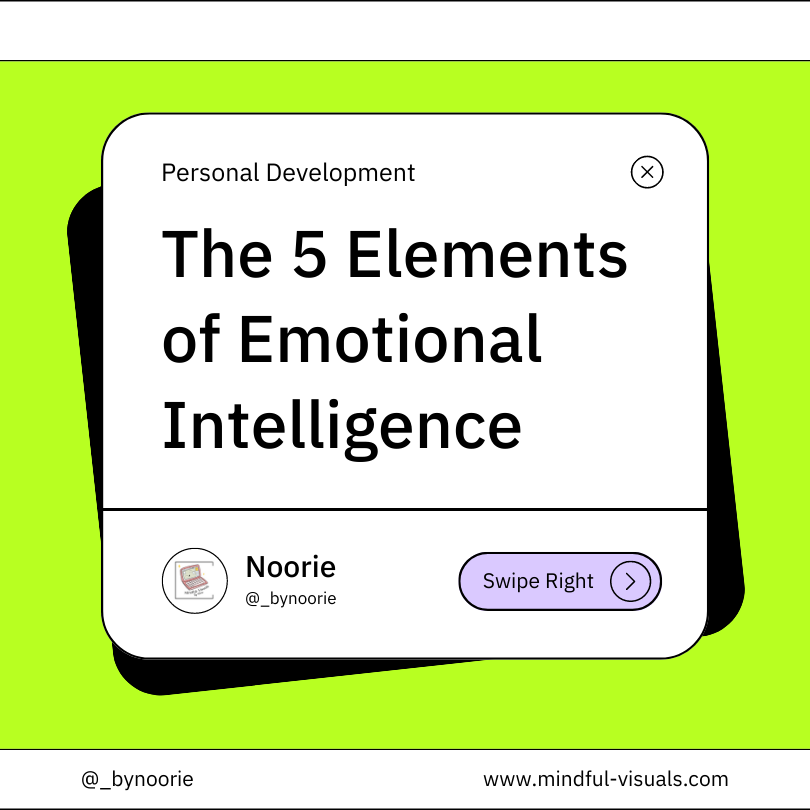
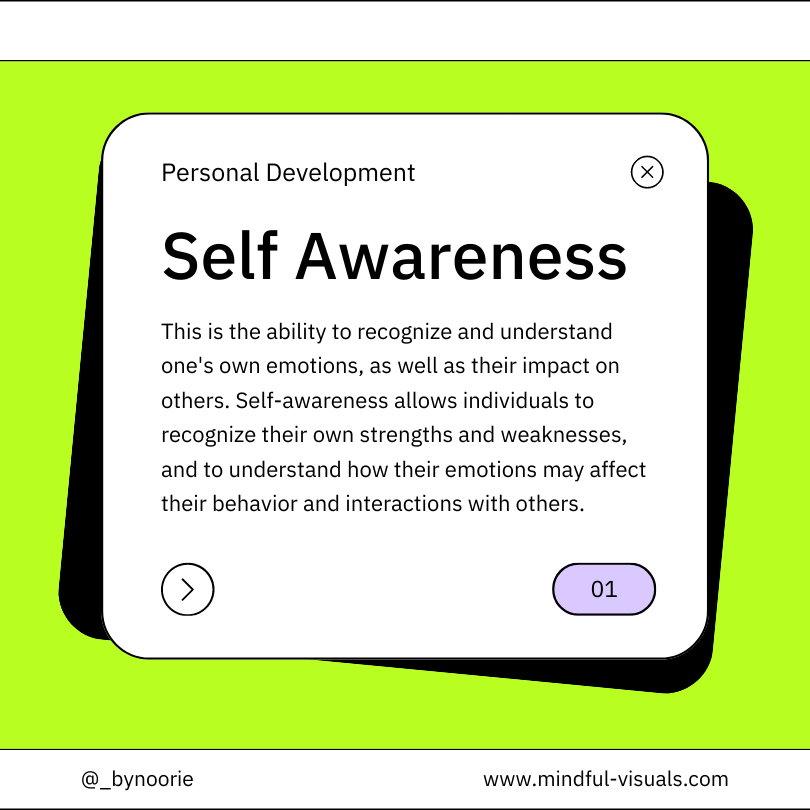
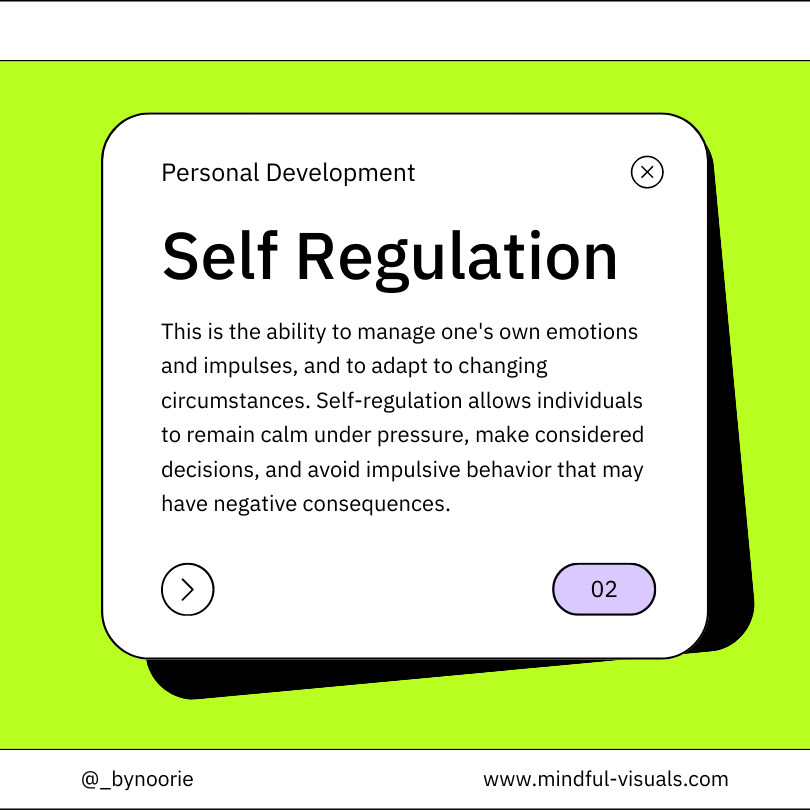
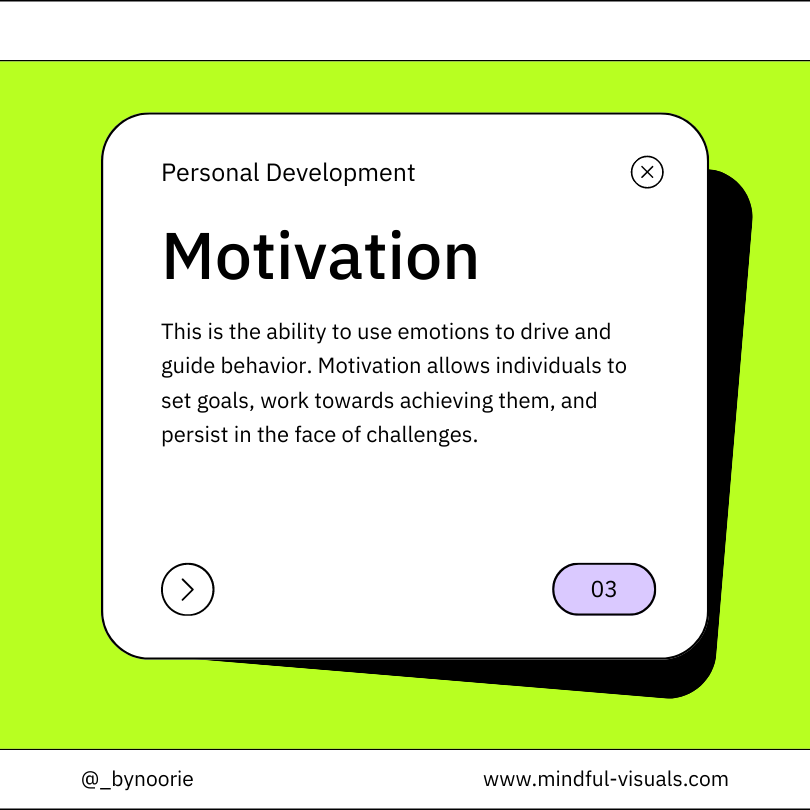
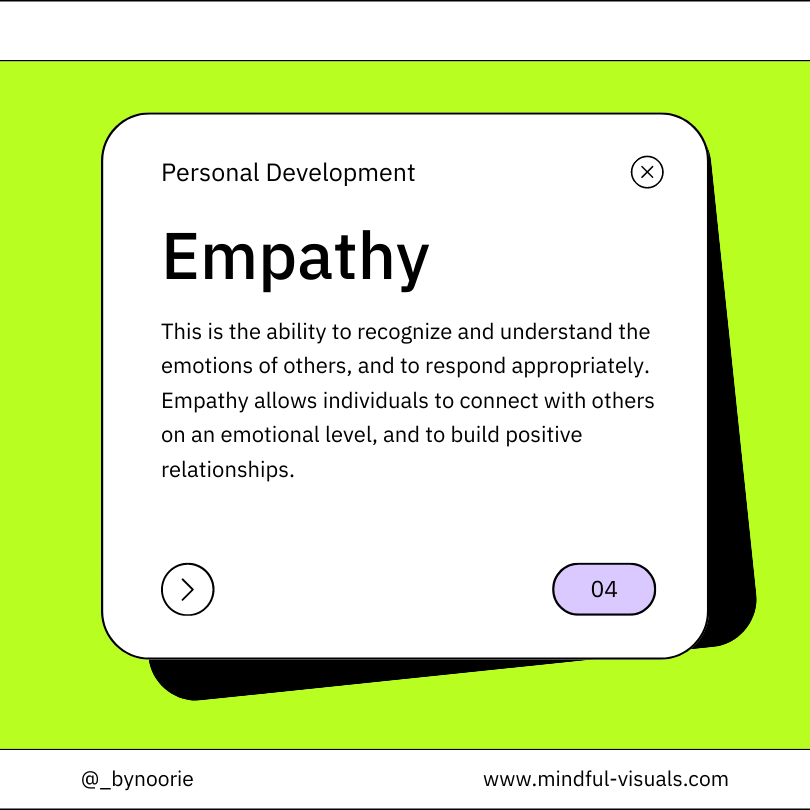
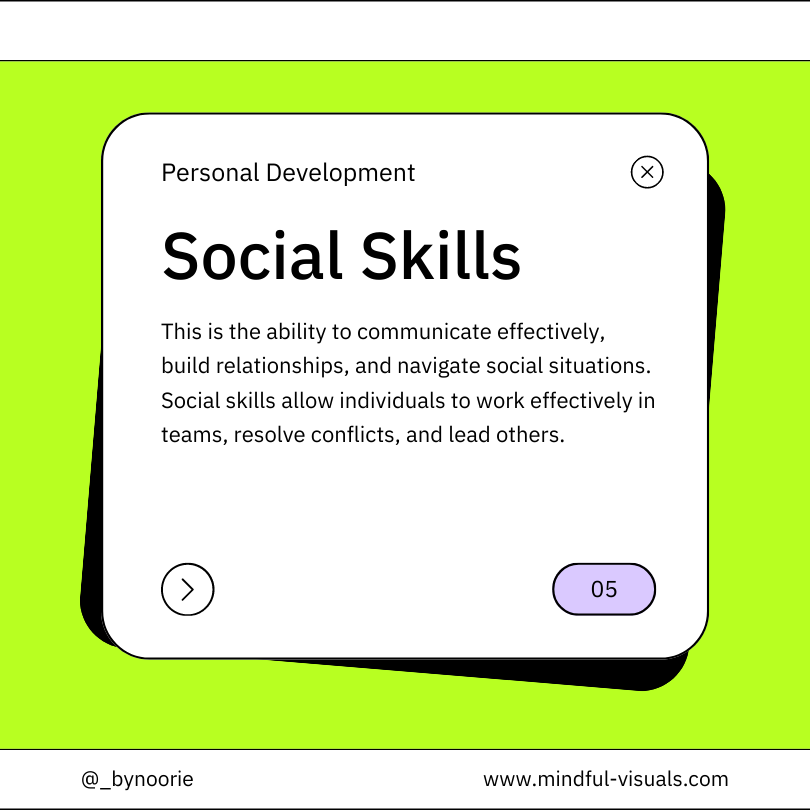
Developing emotional intelligence is crucial for navigating relationships effectively. It involves recognizing and managing our own emotions, as well as understanding and empathizing with others’ emotions. By becoming more self-aware and attuned to our emotions, we can communicate our needs more effectively, respond to conflicts constructively, and offer support and understanding to our partners or loved ones when they need it most.
- Foster an environment of open communication: Encourage everyone to openly and honestly express their feelings, and create a safe space in which all team members feel like they can be themselves.
- Practice active listening: Ask clarifying questions, repeat back what has been said to show you are listening, and stay engaged in the conversation.
- Find ways to practice empathy: Make an effort to put yourself in someone else’s shoes and better understand their perspective.
- Promote self-awareness: Encourage everyone to take the time to identify their own strengths and weaknesses, as well as their triggers, so that they can manage their emotions more effectively.
- Model emotionally intelligent behaviors: Demonstrate the emotional intelligence skills you want to see in others, such as self-control, open communication, and accepting feedback.
- Leverage technology: Consider leveraging technology to track progress and provide personalized feedback to help each individual grow.
Boundaries and Mutual Respect
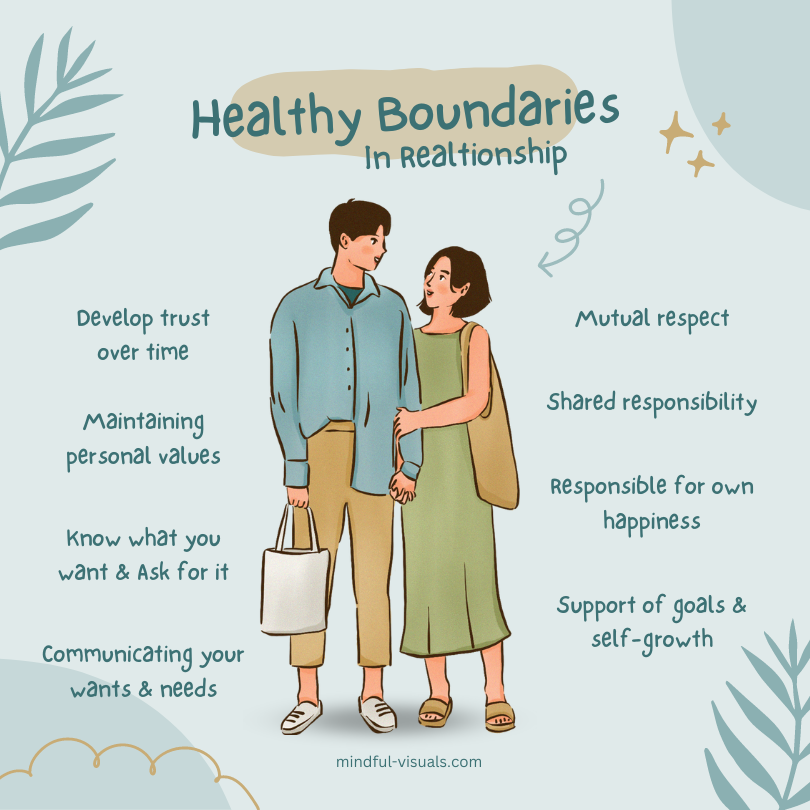
Setting boundaries is essential for maintaining healthy relationships. Boundaries help define what is acceptable and what is not, promoting mutual respect and understanding. By clearly communicating our boundaries and respecting others’ boundaries, we create an environment where everyone feels safe and valued. Respecting each other’s individuality and autonomy fosters a sense of trust and promotes emotional well-being within the relationship.
Supportive and Empathetic Relationships
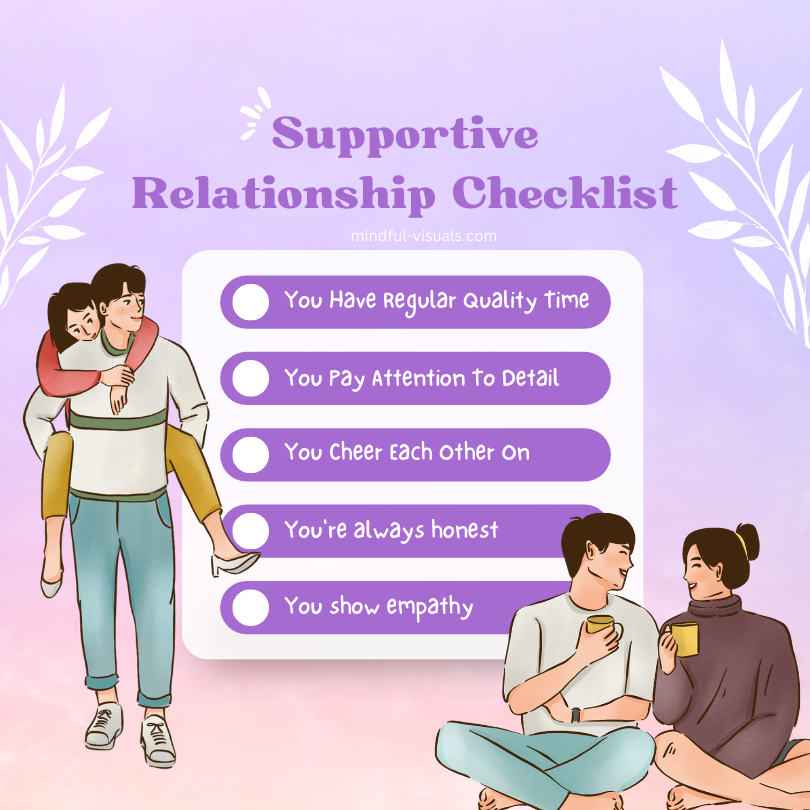
Support and empathy are vital components of nurturing mental health within relationships. By offering a listening ear, validation, and understanding, we can help our loved ones feel seen and heard. Providing support during challenging times can help alleviate stress and anxiety, promoting overall mental well-being. Likewise, seeking support when we need it demonstrates vulnerability and strengthens the bond of trust within the relationship.
Collaboration and Shared Goals
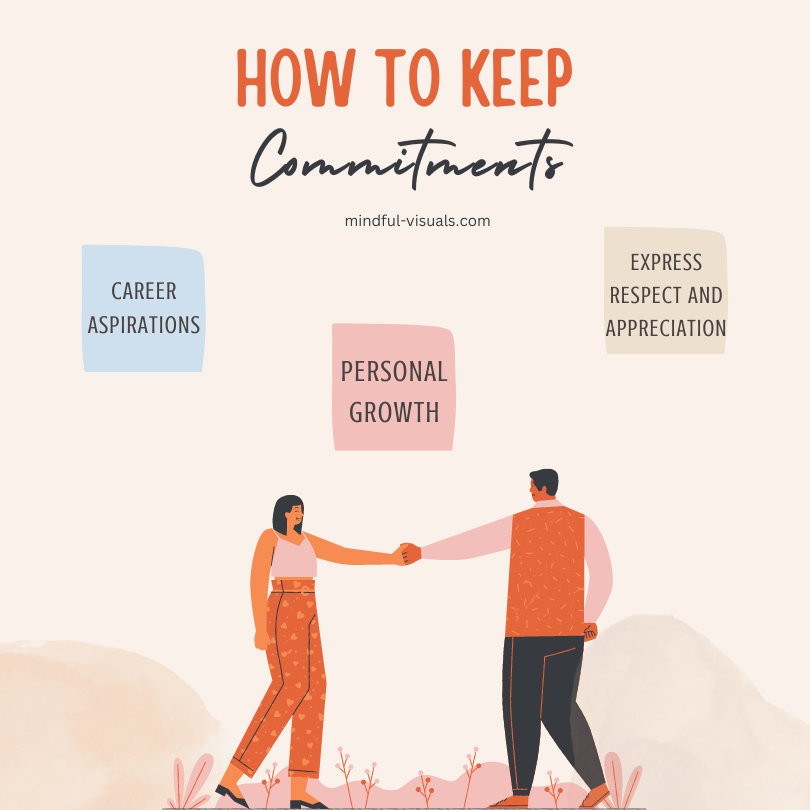
Collaboration and shared goals contribute to a sense of unity and purpose within relationships. By working together towards common objectives, such as personal growth, career aspirations, or shared hobbies, we create opportunities for connection and mutual support. Having shared goals also provides a sense of direction and fulfillment, enhancing overall relationship satisfaction and mental well-being.
Nurturing mental health is crucial for building stronger, healthier relationships. By prioritizing self-care, practicing open and honest communication, cultivating emotional intelligence, setting boundaries, offering support and empathy, and collaborating towards shared goals, we can create a nurturing environment that promotes mental well-being for ourselves and our loved ones. Remember, investing in mental health within relationships is a lifelong journey, but the rewards are immeasurable. Together, let’s build a future of thriving relationships and well-being.
 Mindful-Visuals
Leave a comment