

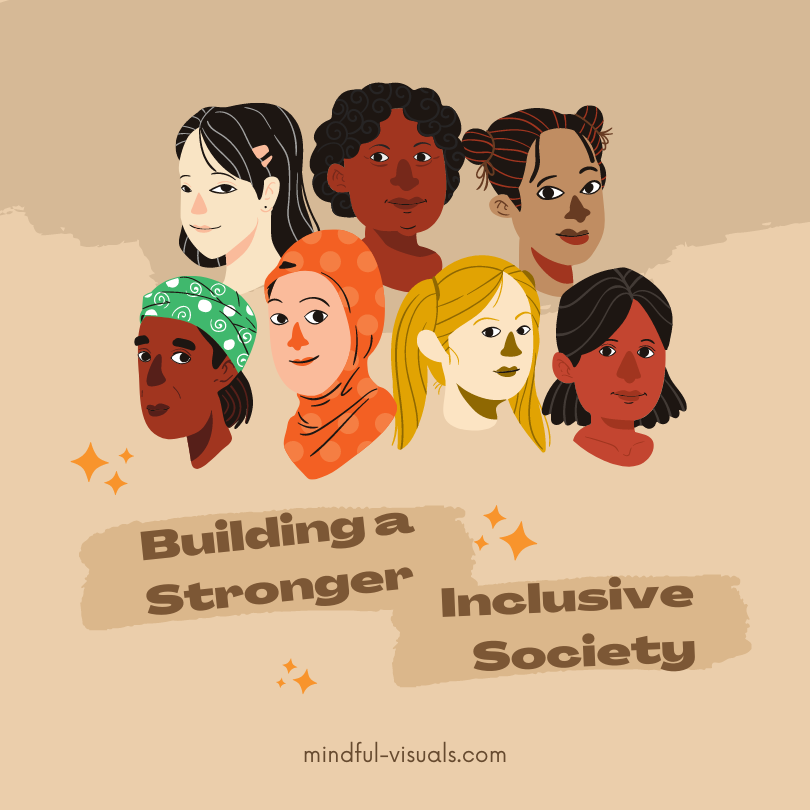
- Understanding Mental Health
- Embracing Diversity in Mental Health
- Importance of Representation
- Addressing Stigma and Discrimination
- Promoting Inclusive Mental Health Support
In recent years, the discourse surrounding mental health and diversity has gained significant traction. As our society becomes more aware of the importance of mental well-being and the significance of embracing diversity, it is crucial to foster an environment that supports and values both. This blog aims to explore the intersection between mental health and diversity, highlighting the benefits of inclusivity and offering practical insights on how we can build a stronger, more inclusive society.
Understanding Mental Health
Mental health encompasses our emotional, psychological, and social well-being. It affects how we think, feel, and act, and plays a vital role in our overall well-being. However, mental health issues can affect anyone, regardless of their background, race, gender, or socioeconomic status. By recognizing this universal aspect of mental health, we lay the foundation for inclusive discussions and support systems.
“Happiness can be found even in the darkest of times, if one only remembers to turn on the light.”
Albus Dumbledore
Embracing Diversity in Mental Health
Diversity refers to the range of human differences, including but not limited to race, ethnicity, gender, sexual orientation, disability, and religious beliefs. When it comes to mental health, embracing diversity means acknowledging that individuals from different backgrounds may experience mental health challenges differently. Cultural, social, and systemic factors influence how mental health is perceived and addressed within various communities.
The importance of mental health diversity in the workplace
Importance of Representation
Representation is a powerful tool in promoting mental health and diversity. When individuals from diverse backgrounds see themselves represented in mental health narratives, it can reduce stigma and encourage seeking help. Representation also enables mental health professionals to develop culturally sensitive approaches and cater to the unique needs of different communities. By fostering diverse voices and perspectives, we create a more inclusive mental health landscape.
Addressing Stigma and Discrimination
Stigma and discrimination surrounding mental health are prevalent issues that hinder individuals from seeking support. It is vital to challenge and dismantle these barriers, particularly within marginalized communities. Education plays a crucial role in combating stigma and discrimination by increasing awareness and fostering empathy. By normalizing discussions about mental health, we can create safe spaces where individuals feel comfortable seeking help without fear of judgment or prejudice.
Addressing stigma and discrimination at scale: uniting for a common vision while acknowledging local realities
Promoting Inclusive Mental Health Support
Creating inclusive mental health support systems involves several key aspects. First, we must ensure accessibility to mental health services for all individuals, regardless of their background or socioeconomic status. This includes improving language accessibility, providing culturally competent care, and addressing financial barriers.
Secondly, incorporating diversity and cultural competence into mental health education and training programs is essential. Mental health professionals should be equipped with the knowledge and skills to address the unique needs of diverse populations sensitively.
Thirdly, collaboration between mental health organizations, community leaders, and advocacy groups is crucial. By working together, we can develop community-specific strategies that address mental health challenges while considering cultural nuances and systemic barriers.
MENTAL HEALTH IN
PRIMARY CARE: ILLUSION
OR INCLUSION?
Embracing mental health and diversity is not just an ethical imperative; it is a pathway to building a stronger, inclusive society. By recognizing the intersectionality of mental health and diversity, we can foster environments that are supportive, empowering, and understanding. It is through collective efforts, open dialogue, and ongoing education that we can break down barriers, challenge stigma, and ensure that mental health resources are accessible to all. Together, let us create a future where mental well-being knows no boundaries and diversity is celebrated.
 Mindful-Visuals
Leave a comment