





- Acknowledging the Need for Help
- Understanding the Range of Available Support
- Overcoming Stigma
- Reaching Out to Professionals
- Building a Support System
- Prioritizing Self-Care
In today’s fast-paced and demanding world, mental health issues have become increasingly prevalent. Whether it’s anxiety, depression, or other conditions, these challenges can significantly impact our daily lives and overall well-being. The good news is that help and treatment are available, offering individuals the opportunity to regain control, find support, and embark on a journey of healing. This blog aims to shed light on the importance of seeking help and treatment for mental health and provide guidance on taking that crucial first step.
Acknowledging the Need for Help
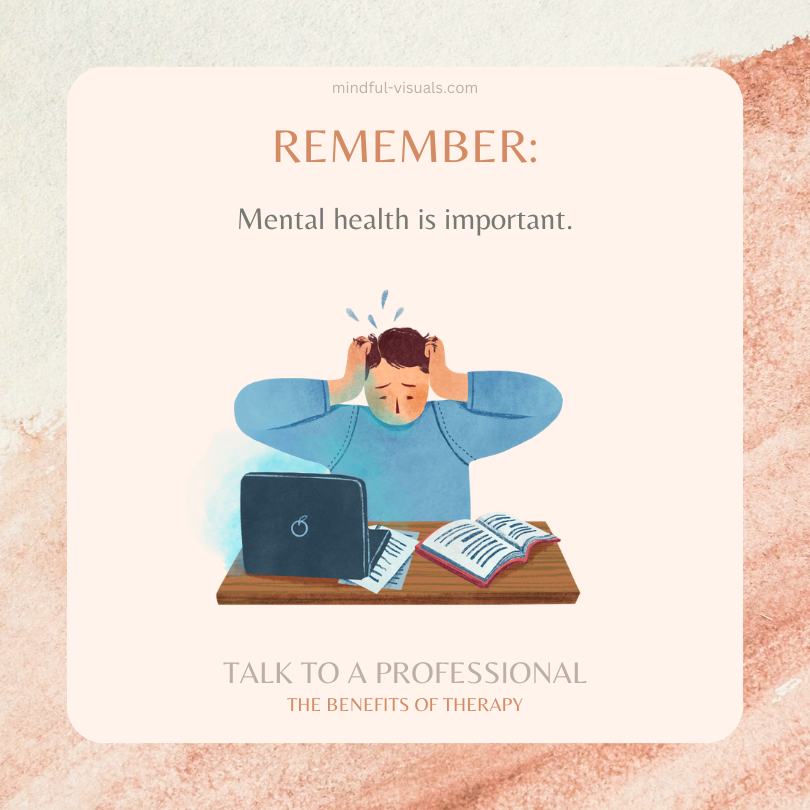
The first and most crucial step in seeking help for mental health concerns is recognizing and acknowledging that you need support. It’s common for individuals to feel hesitant or even ashamed about reaching out for help. However, understanding that mental health is as important as physical health can help break down these barriers. Remember, seeking help is a sign of strength and a proactive approach towards self-care.
Understanding the Range of Available Support
Once you’ve acknowledged the need for help, it’s essential to understand the various forms of support and treatment options available. These can include therapy, counseling, medication, support groups, or a combination of these. Research and explore the different options to find what aligns best with your needs and preferences. Consult a mental health professional who can guide you through the process and provide expert advice.
Free All-India Emergency Mental Health Helpline
Overcoming Stigma
Unfortunately, there is still a stigma surrounding mental health, which often prevents people from seeking treatment. It’s crucial to recognize that mental health conditions are common and treatable, just like physical illnesses. By seeking help, you’re taking control of your well-being and actively working towards improving your quality of life. Remember, there is no shame in asking for support.
Overcoming the stigma of mental illness
Reaching Out to Professionals
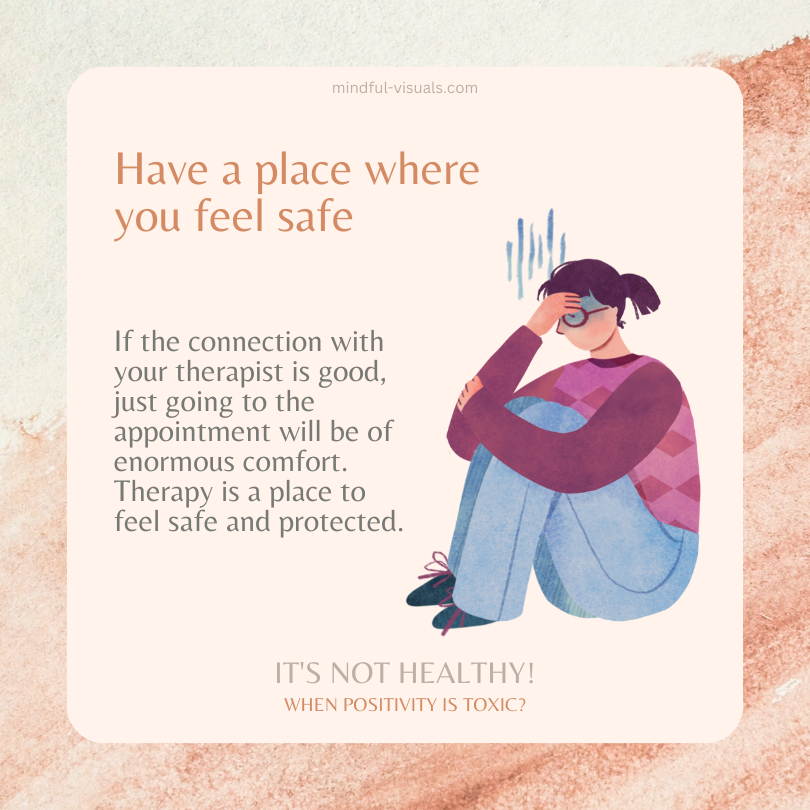
Seeking professional help is vital when dealing with mental health concerns. Mental health professionals, such as therapists, psychologists, or psychiatrists, possess the expertise and experience to provide appropriate guidance and treatment. They can offer a safe and non-judgmental space to explore your emotions, thoughts, and concerns. A professional will tailor treatment to your unique needs and help you develop coping strategies to navigate challenges. Reaching out for help
Building a Support System
While professionals play a significant role, building a support system of friends, family, and loved ones is equally important. Sharing your experiences with trusted individuals can provide emotional support and understanding. Loved ones can also assist you in finding the right resources and encourage you on your journey to recovery.
how to build a support system?
Prioritizing Self-Care
Seeking help for mental health is just the beginning. It’s essential to prioritize self-care throughout your healing process. Engage in activities that promote relaxation, exercise regularly, maintain a healthy diet, and prioritize quality sleep. Self-care practices will contribute to your overall well-being and complement the treatment you receive.
How (and why) to prioritise self care
Seeking help and treatment for mental health is an act of self-compassion and bravery. By taking that first step, you’re acknowledging the importance of your mental well-being and opening doors to a brighter future. Remember, you are not alone, and there is support available. Reach out to professionals, build a support system, and prioritize self-care. Together, we can overcome the challenges of mental health and embark on a path to healing and resilience.
 Mindful-Visuals
Leave a comment