
- The Power of Antioxidants
- Omega-3 Fatty Acids for Brain Function
- The Importance of B Vitamins
- Mindful Eating for Mental Clarity
- The Gut-Brain Connection
We often hear the phrase “You are what you eat,” and when it comes to our brain health, this statement holds true. The food we consume plays a vital role in nourishing our minds and supporting optimal brain function. In this blog post, we will explore the fascinating connection between food and brain health, and how making conscious dietary choices can enhance cognitive function, improve mood, and promote overall mental well-being.
The Power of Antioxidants

Antioxidants, found abundantly in fruits and vegetables, play a crucial role in protecting our brain cells from oxidative stress and inflammation. Incorporate a variety of colorful fruits and vegetables into your diet, such as berries, leafy greens, broccoli, and citrus fruits, to boost your antioxidant intake. These nutrient-dense foods can help enhance memory, improve cognitive abilities, and reduce the risk of cognitive decline.
Omega-3 Fatty Acids for Brain Function
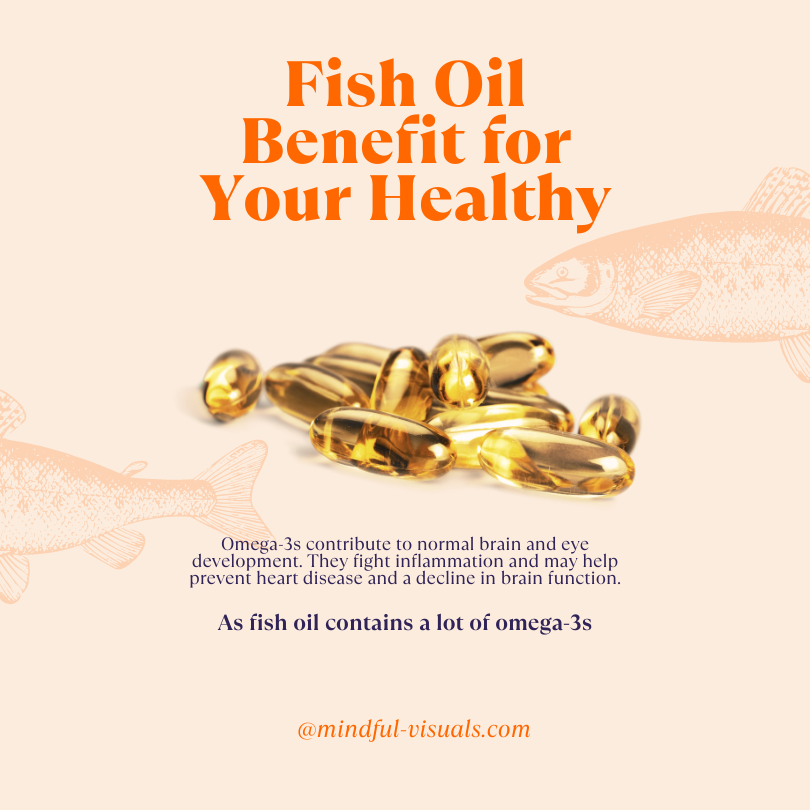
Omega-3 fatty acids, particularly DHA (docosahexaenoic acid), are essential for brain health. They contribute to the structure and function of brain cells, supporting cognitive abilities and reducing the risk of neurodegenerative diseases. Increase your intake of omega-3 fatty acids by consuming fatty fish like salmon, mackerel, and sardines, as well as walnuts, flaxseeds, and chia seeds.
The Importance of B Vitamins
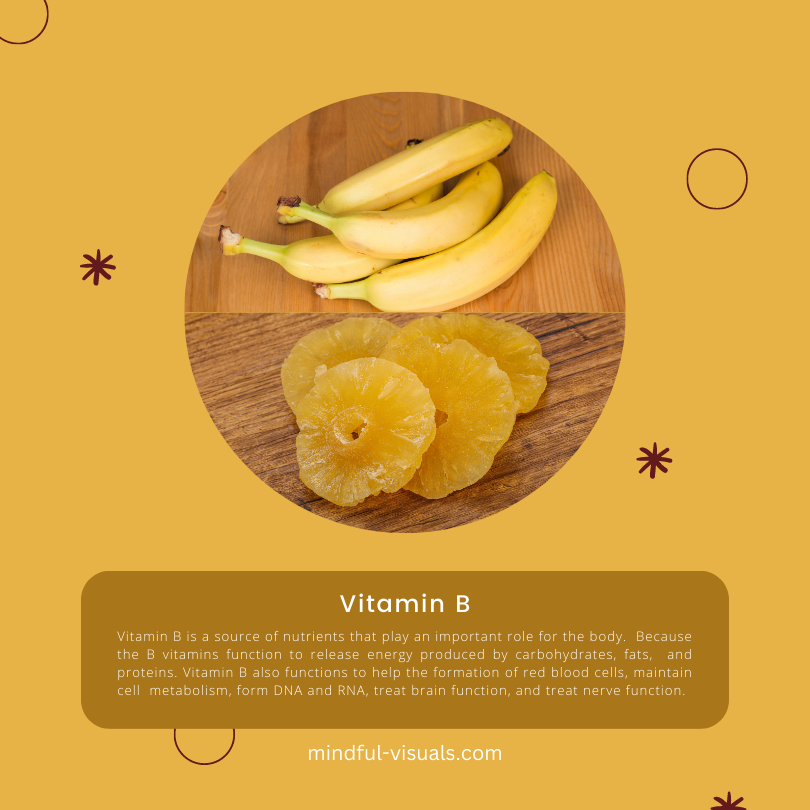
B vitamins, including B6, B12, and folate, play a crucial role in brain health and the production of neurotransmitters that regulate mood and cognitive function. Incorporate foods rich in B vitamins, such as leafy greens, legumes, whole grains, eggs, and lean meats, into your diet to support optimal brain function and mental well-being.
Mindful Eating for Mental Clarity
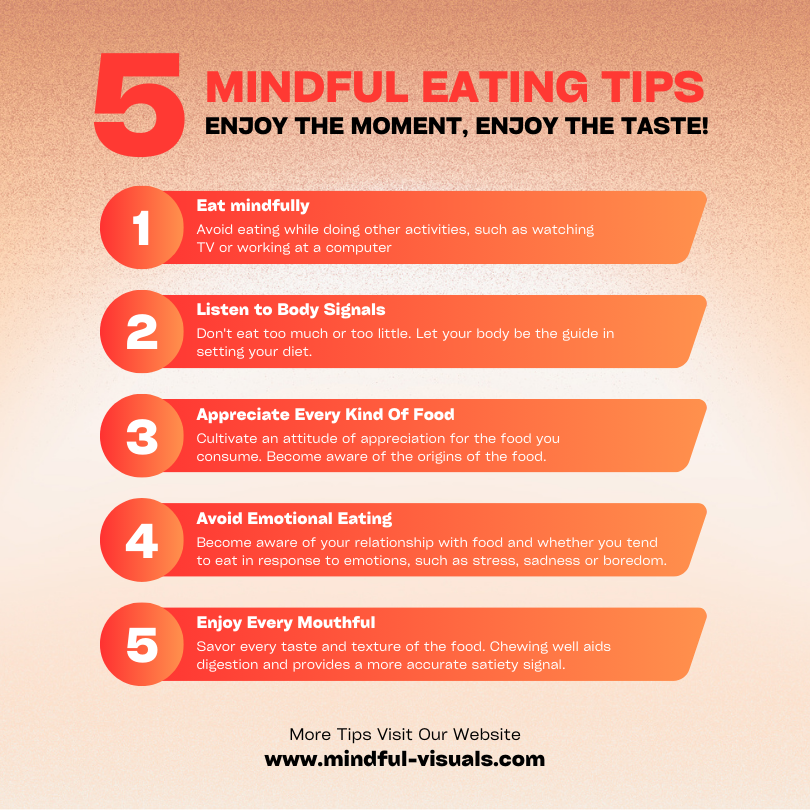
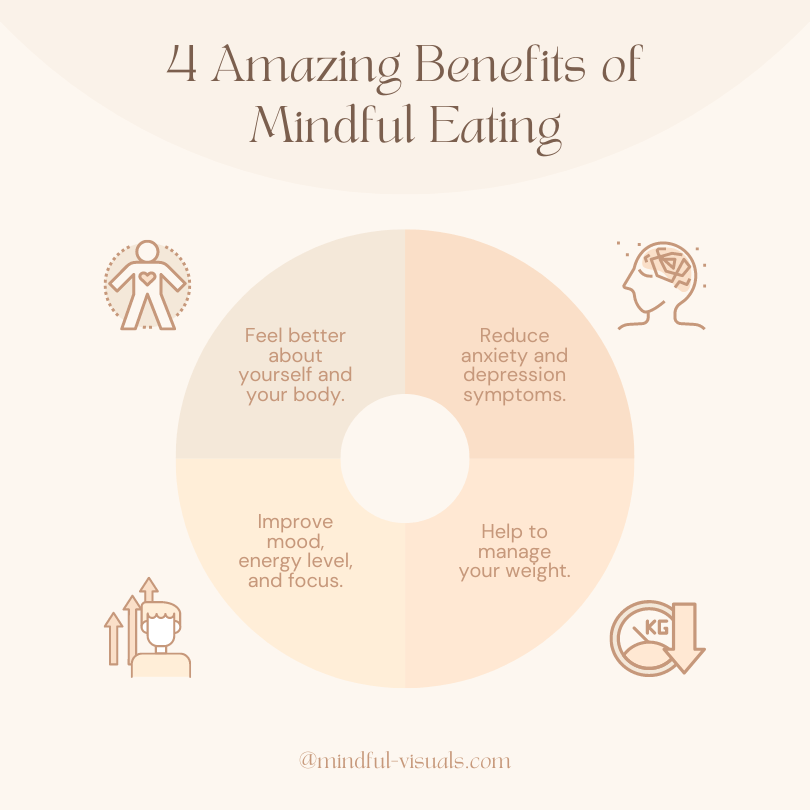
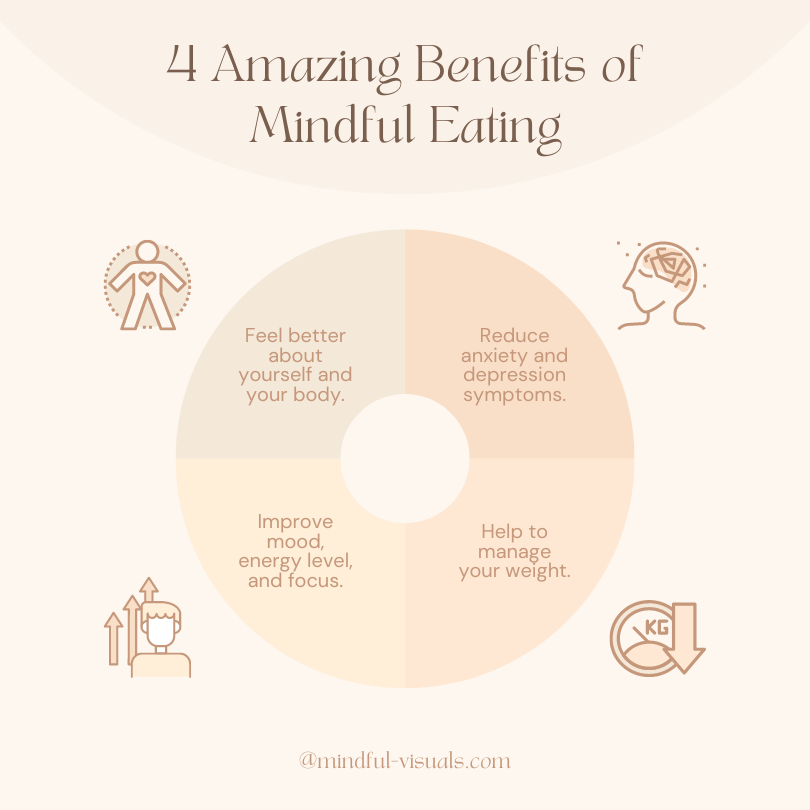
Practicing mindful eating can have a positive impact on your brain health. Slow down, savor each bite, and pay attention to the sensory experience of eating. Avoid distractions like screens or eating on the go, as they can hinder your ability to fully enjoy and digest your food. Mindful eating promotes better digestion, nutrient absorption, and can help regulate appetite and prevent overeating.
The Gut-Brain Connection
Emerging research suggests a strong connection between the gut and the brain, known as the gut-brain axis. Maintaining a healthy gut microbiome through a balanced diet rich in fiber, fermented foods like yogurt and sauerkraut, and probiotics can positively influence brain health. A healthy gut contributes to improved mood, cognitive function, and may even help reduce the risk of mental health disorders.
How to Improve the Gut-Brain Connection: 4 Ways to Keep Them Both Healthy
The food we consume has a profound impact on our brain health and overall well-being. By incorporating antioxidant-rich foods, omega-3 fatty acids, B vitamins, and practicing mindful eating, we can nourish our minds and support optimal brain function. Remember to make conscious dietary choices, prioritize a balanced and varied diet, and consult with a healthcare professional for personalized advice. Let food be your ally in promoting a sharp mind, positive mood, and vibrant mental well-being.
 Mindful-Visuals
Leave a comment