- Meditation and Mindfulness
- Yoga for Mind-Body Harmony
- Art Therapy
- Aromatherapy and Essential Oils
- Biofeedback and Neurofeedback
- Equine-Assisted Therapy
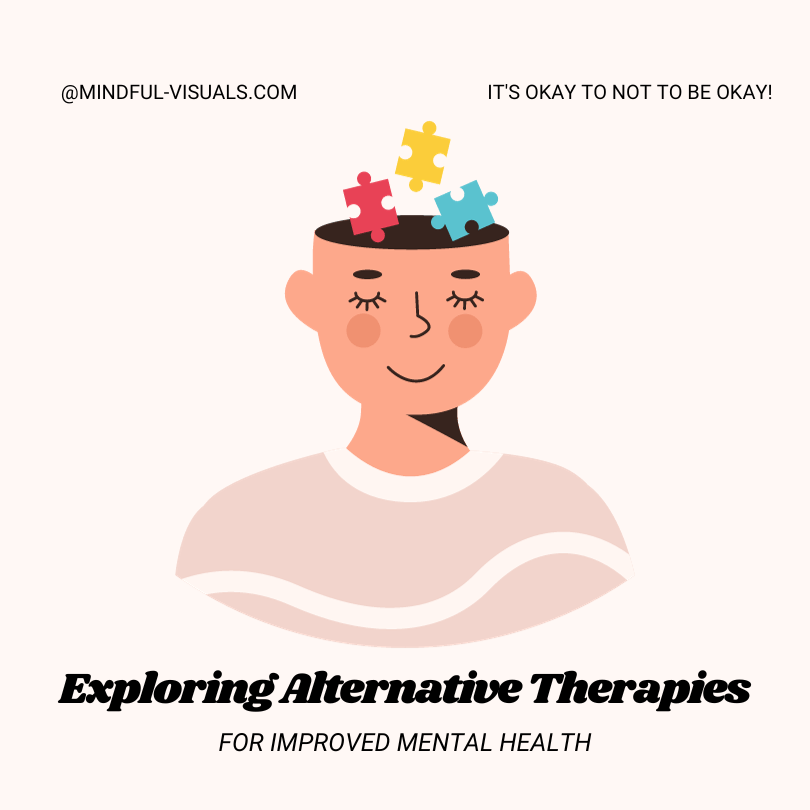
Mental health is an integral component of our overall well-being, and just as our physical health requires attention and care, so does our mental and emotional state. While traditional therapies like counseling, medication, and cognitive-behavioral therapy have been the go-to options for addressing mental health concerns, alternative therapies are gaining recognition for their potential to enhance mental well-being. In this blog post, we will take a journey into the world of alternative therapies, exploring some unconventional yet effective methods for improving mental health.
Meditation and Mindfulness
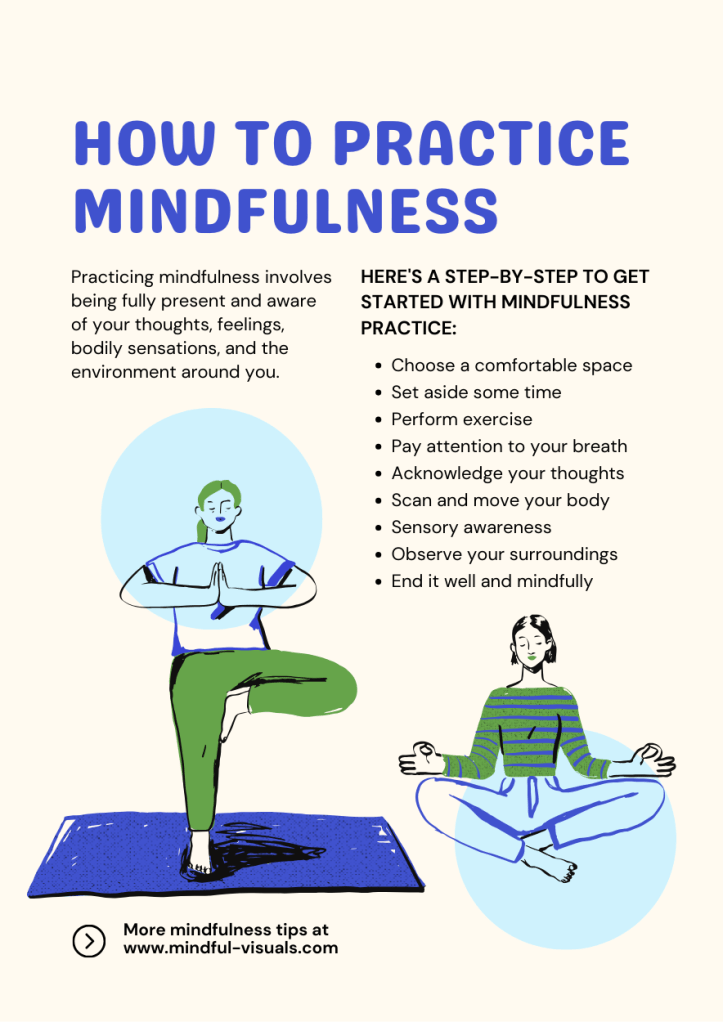
Meditation and mindfulness are practices rooted in ancient traditions that have become increasingly popular in the modern world. These practices involve focusing your mind on the present moment, and acknowledging your thoughts and feelings without judgment. The benefits of meditation and mindfulness for mental health are numerous:
- Stress Reduction: Regular meditation can reduce the production of stress hormones, promoting a sense of calm and relaxation.
- Anxiety Management: Mindfulness helps individuals become more aware of anxious thought patterns, allowing them to respond more skillfully.
- Improved Concentration: Practicing mindfulness can enhance concentration and attention, which can be particularly helpful for those with conditions like ADHD.
To get started, you can find guided meditation apps and resources online. Taking just a few minutes each day to sit in silence and focus on your breath can have a significant impact on your mental well-being.
Yoga for Mind-Body Harmony

Yoga is a mind-body practice that combines physical postures, breath control, and meditation. This ancient practice offers a wide range of mental health benefits:
- Stress Relief: Yoga helps reduce the physical symptoms of stress and encourages relaxation.
- Emotional Regulation: Practicing yoga can improve emotional awareness and regulation.
- Enhanced Self-Compassion: Yoga promotes self-care and self-compassion, fostering a positive self-image.
Whether you’re a beginner or an experienced yogi, there are various types of yoga to explore, from gentle restorative yoga to more vigorous vinyasa flows.
Maintaining a regular yoga practice can provide physical and mental health benefits
Art Therapy
What Is Art Therapy?
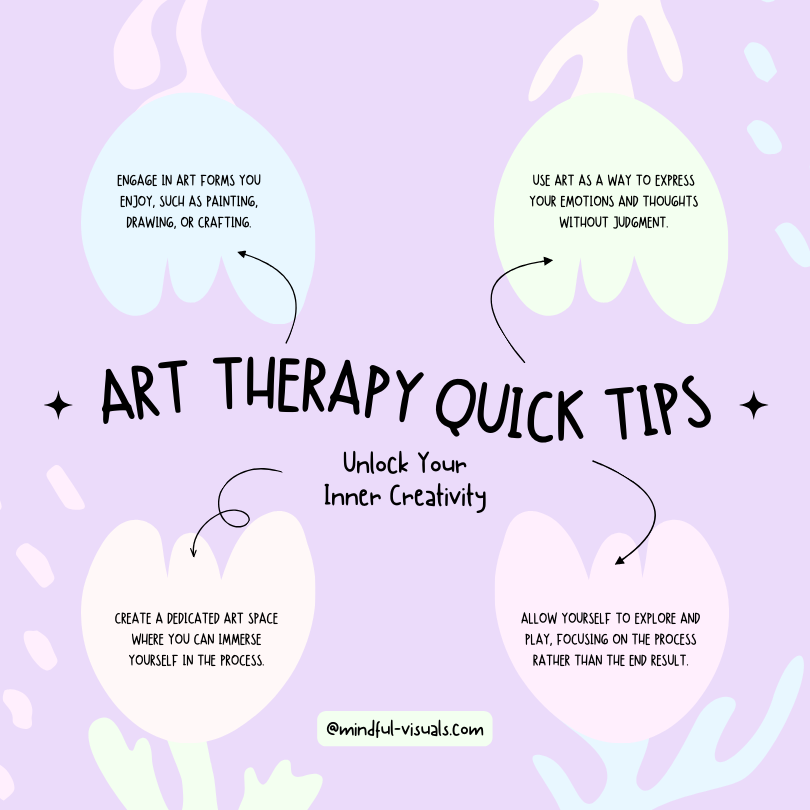
Art therapy is a creative approach to mental health that involves the use of art materials and creative expression to explore emotions and improve mental well-being:
- Emotional Release: Art provides a safe outlet for processing and expressing complex emotions.
- Self-Exploration: Creating art can help individuals gain insights into their thoughts and feelings.
- Stress Reduction: Engaging in creative activities can be soothing and meditative.
You don’t need to be an artist to benefit from art therapy. Grab some art supplies and allow your creativity to flow.
Aromatherapy and Essential Oils
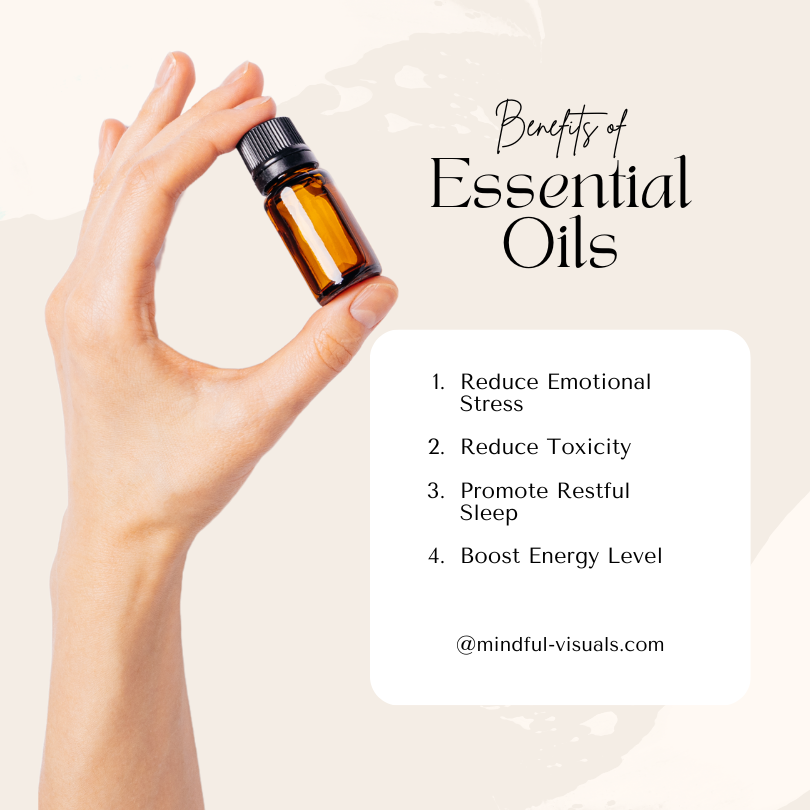
Aromatherapy involves the use of essential oils to promote physical and mental well-being. Here are some ways aromatherapy can support mental health:
- Stress Reduction: Certain scents, like lavender and chamomile, are known for their calming effects.
- Energy Boost: Citrus scents can invigorate and uplift mood.
- Improved Sleep: Lavender and cedarwood essential oils can aid in relaxation and promote better sleep.
You can use essential oils in diffusers, add them to bathwater, or create your own blends for personal use.
Aromatherapy: Do Essential Oils Really Work?
Biofeedback and Neurofeedback
Biofeedback and neurofeedback are therapies that help individuals gain better control over their physiological responses:
- Stress Management: Biofeedback can teach individuals how to reduce muscle tension and lower stress levels.
- Anxiety Reduction: Neurofeedback can help individuals learn to regulate their brainwave patterns, potentially reducing anxiety.
These therapies are typically administered by trained professionals who use monitoring equipment to provide real-time feedback on physiological functions.
Equine-Assisted Therapy
Equine-assisted therapy involves interacting with horses under the guidance of a trained therapist. This therapy can provide mental health benefits such as:
- Emotional Regulation: Working with horses can help individuals develop emotional awareness and regulation skills.
- Building Trust: Developing a bond with horses can foster trust and improve relationships.
While equine-assisted therapy requires access to a trained therapist and horses, it can be a unique and transformative experience.
What is Equine Assisted Psychotherapy?
Exploring alternative therapies for mental health can open new avenues for self-discovery and healing. It’s important to remember that the effectiveness of these therapies can vary from person to person, and they should not replace traditional mental health treatments when necessary. Consulting with a mental health professional is always advisable, especially if you have a diagnosed mental health condition. Whether you’re practicing mindfulness, experimenting with essential oils, or engaging in art therapy, these alternative therapies can complement your mental health journey and contribute to a healthier, more balanced life. The key is to find what resonates with you and aligns with your unique needs and preferences.
 Mindful-Visuals
Leave a comment