


- Understanding Mental Health:
- The Importance of Self-Care:
- Strategies for Self-Care:
- Breaking the Stigma & Seeking Support:
- Encouraging Mental Health Conversations:
In today’s fast-paced and demanding world, our mental well-being often takes a backseat. Neglecting our mental health can have severe consequences, impacting various aspects of our lives. However, by prioritizing self-care and seeking support, we can cultivate resilience and foster a positive mindset. This blog aims to shed light on the importance of mental health, explore self-care practices, and emphasize the significance of reaching out for professional help when needed.
Understanding Mental Health:

To embark on a journey of mental well-being, it is crucial to understand what mental health truly means. We all experience a range of emotions and face challenges that can affect our mental state. Mental health encompasses our emotional, psychological, and social well-being, influencing how we think, feel, and act. Recognizing the significance of mental health empowers us to take charge of our overall well-being.
The Importance of Self-Care:
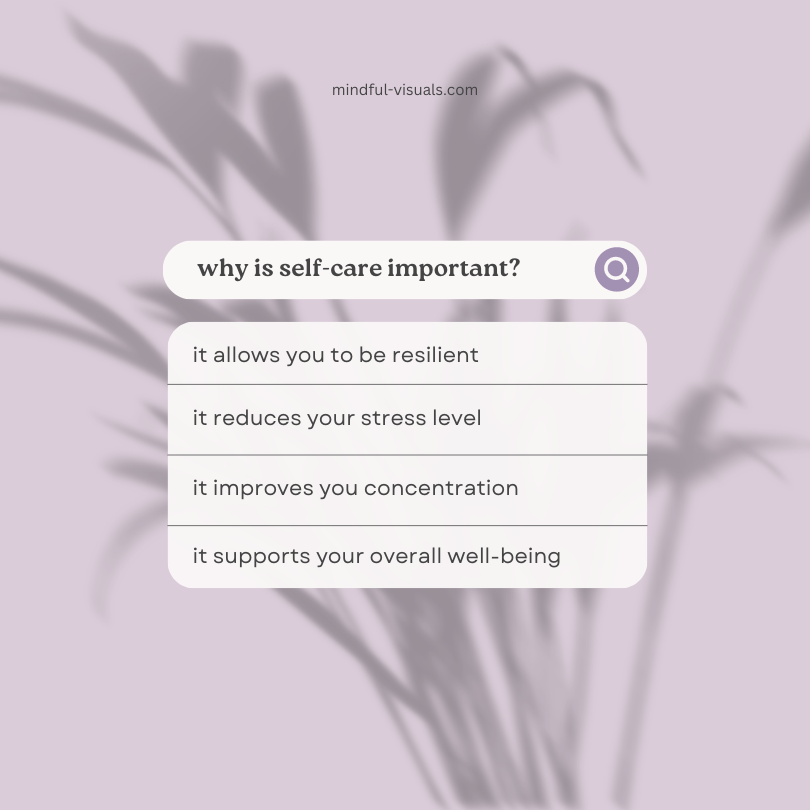
Self-care forms the foundation of maintaining good mental health. It involves consciously nurturing ourselves physically, emotionally, and spiritually. Incorporating self-care practices into our daily lives can reduce stress, enhance self-esteem, and promote inner peace. From engaging in hobbies and practicing mindfulness to prioritizing rest and setting boundaries, self-care is essential in building resilience and preventing burnout.
Strategies for Self-Care:
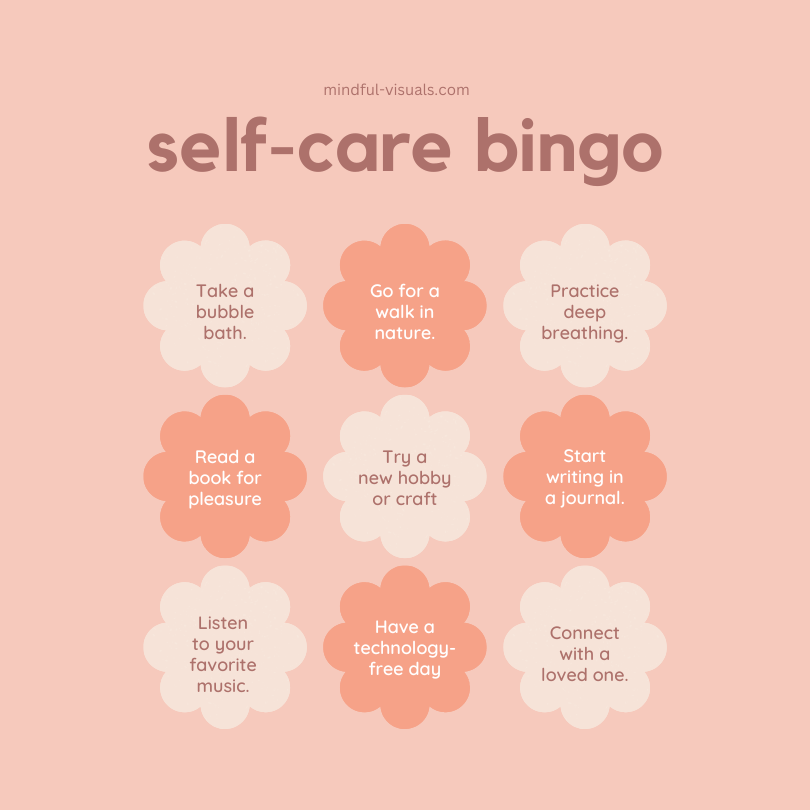
a) Physical Self-Care: Regular exercise, a nutritious diet, sufficient sleep, and mindful relaxation techniques contribute to our physical and mental well-being.
b) Emotional Self-Care: Recognizing and validating our emotions, expressing ourselves creatively, seeking healthy relationships, and engaging in activities that bring joy and fulfillment.
c) Spiritual Self-Care: Cultivating a sense of purpose, exploring personal beliefs and values, connecting with nature, and practicing gratitude and meditation.
d) Social Self-Care: Nurturing supportive relationships, establishing boundaries, and engaging in social activities that promote connection and a sense of belonging.
Breaking the Stigma & Seeking Support:
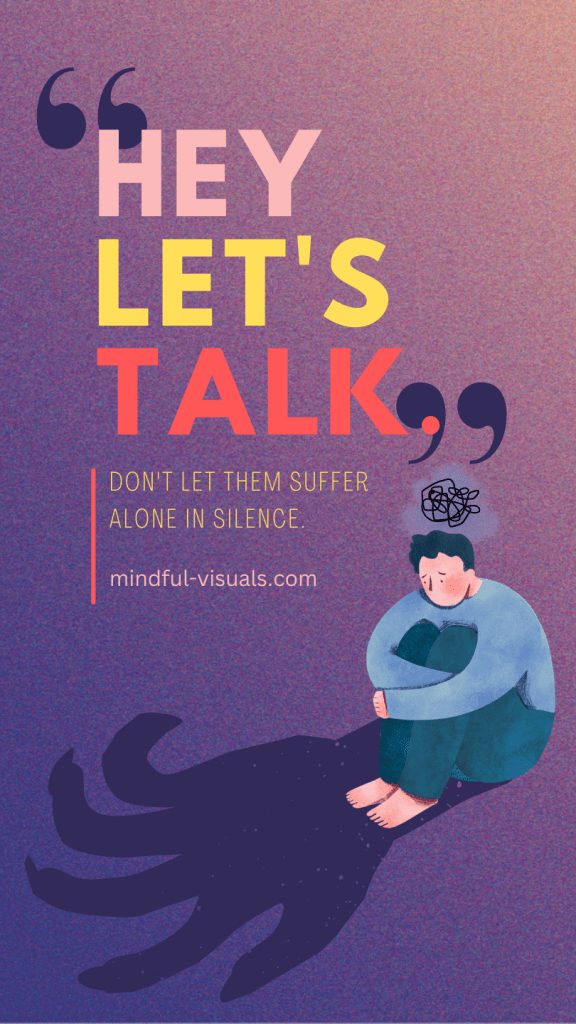
Despite the growing awareness surrounding mental health, seeking support is often stigmatized. It is vital to challenge these misconceptions and understand that reaching out for help is a sign of strength, not weakness. Professional support, such as therapy or counseling, can provide valuable tools and strategies to navigate challenging circumstances and promote healing. Additionally, connecting with support networks, both online and offline, can offer a sense of community and validation.
Encouraging Mental Health Conversations:

Promoting open and honest conversations about mental health is crucial in creating a supportive environment. By sharing our experiences, struggles, and coping mechanisms, we can help reduce the stigma and encourage others to seek help. Listening compassionately and offering support to those in need can make a significant difference in someone’s mental health journey.
Prioritizing mental health is an ongoing process that requires self-reflection, self-care, and seeking support when necessary. By embracing self-care practices, breaking the stigma, and fostering open conversations, we can build a society that values mental well-being. Remember, nurturing your mental health is a personal journey, and taking the first step towards self-care is an act of self-love that can positively impact every aspect of your life.
 Mindful-Visuals
Leave a reply to Cultivating a Supportive Workplace – Mindful-Visuals Cancel reply