
- What are Eating Disorders?
- The Complexities: Factors Contributing to Eating Disorders
- Signs and Symptoms: Recognizing Eating Disorders
- Consequences of Eating Disorders
- Nurturing Compassionate Support
- Seeking Help: Treatment and Recovery
In today’s society, the pursuit of an ideal body image has become pervasive, leading to a rise in eating disorders. These mental health conditions affect millions of people worldwide, often leading to severe physical and psychological consequences. Despite their prevalence, eating disorders remain shrouded in misconceptions and stigma. It is essential to shed light on this issue, increase awareness, and foster empathy to provide meaningful support to individuals grappling with these disorders. In this blog post, we will delve into the complexities of eating disorders, their potential causes, the different types, and the importance of early intervention and compassionate care.
What are Eating Disorders?
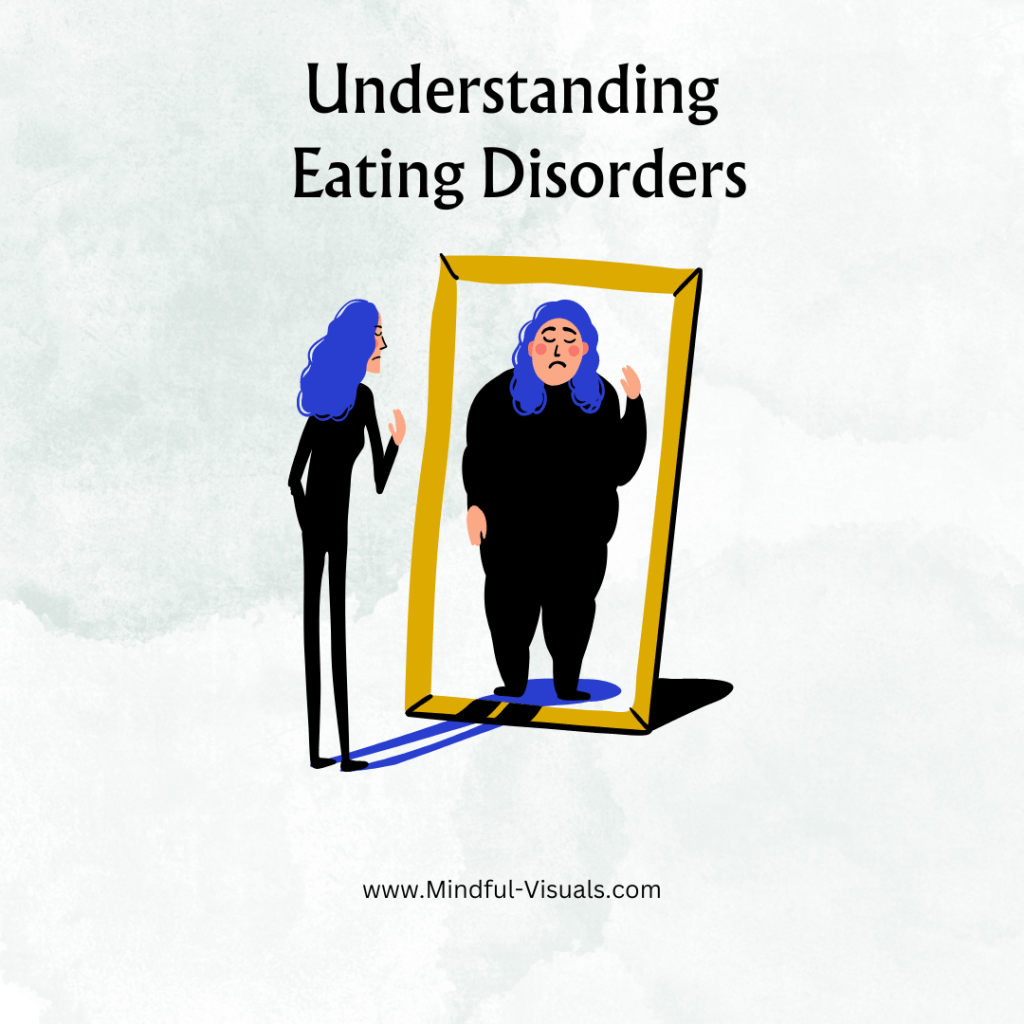
Eating disorders encompass a range of psychological conditions characterized by disturbed eating patterns and distorted body image. They are not simply about food or weight but are intricate mental health disorders. Common types include anorexia nervosa, bulimia nervosa, binge eating disorder, and avoidant/restrictive food intake disorder (ARFID). It is crucial to understand that these disorders affect individuals of all ages, genders, and backgrounds, and they require a multidimensional approach for effective treatment.
The Complexities: Factors Contributing to Eating Disorders
Eating disorders emerge from a combination of genetic, biological, psychological, and sociocultural factors. Genetic predisposition, brain chemistry imbalances, childhood trauma, low self-esteem, societal pressure, and cultural ideals of beauty all play significant roles. The impact of media, advertising, and social media on body image dissatisfaction cannot be ignored. Recognizing these complex factors is crucial to foster understanding and develop effective prevention and treatment strategies.
A closer look at the complexities of eating disorders
Signs and Symptoms: Recognizing Eating Disorders
Identifying the signs and symptoms of eating disorders is crucial for early intervention. These may include extreme weight loss or gain, preoccupation with body shape or weight, distorted body image, excessive exercise, secretive eating habits, social withdrawal, anxiety around mealtimes, and changes in mood or behavior. Friends, family, and healthcare professionals should remain vigilant and supportive, offering a safe space for individuals to discuss their struggles.
Consequences of Eating Disorders
Eating disorders can have devastating physical and psychological consequences. Severe malnutrition, organ damage, hormonal imbalances, electrolyte disturbances, osteoporosis, and cardiovascular problems are just a few of the physical health risks. Psychologically, eating disorders are often accompanied by depression, anxiety disorders, self-harm, and suicidal thoughts. The sooner individuals receive appropriate treatment, the better their chances of recovering and minimizing long-term damage.
COMMON HEALTH CONSEQUENCES OF EATING DISORDERS
Nurturing Compassionate Support
Compassion and understanding are vital when supporting someone with an eating disorder. It is essential to avoid judgment, blame, or pressure to “just eat” or “just stop.” Instead, a holistic approach involving therapy, nutritional counseling, and medical support should be adopted. Friends, family, and the community at large can help by being patient, offering emotional support, and promoting positive body image and self-acceptance.
Why People with Eating Disorders Need Our Compassion
Seeking Help: Treatment and Recovery
Recovery from an eating disorder is a complex journey, but it is possible with the right support. Professional treatment typically involves a combination of psychotherapy, nutritional counseling, medical management, and support groups. Early intervention significantly improves the chances of a successful recovery, making it essential to seek help at the earliest signs of an eating disorder.
India Eating Disorder Treatment Information & Resources
Eating disorders are multifaceted mental health conditions that require compassion, understanding, and support. By dispelling myths and increasing awareness, we can break the stigma surrounding eating disorders and foster an environment that promotes early intervention and effective treatment. Together, we can empower individuals to embark on a path of recovery, cultivating a society that embraces diverse body types and values mental well-being above all else.

