
Unraveling the Complex Relationship between Our Emotions and Food
- What is Emotional Eating?
- Understanding the Causes:
- The Vicious Cycle:
- Consequences of Emotional Eating:
- Strategies to Overcome Emotional Eating:
Food is not just a source of nourishment; it often holds a deeper significance in our lives. It has the power to evoke emotions, provide comfort, and act as a coping mechanism during times of stress or sadness. For many individuals, this emotional connection with food can lead to a pattern known as emotional eating. In this blog post, we will delve into the topic of emotional eating, exploring its causes, consequences, and potential strategies to overcome it.
What is Emotional Eating?
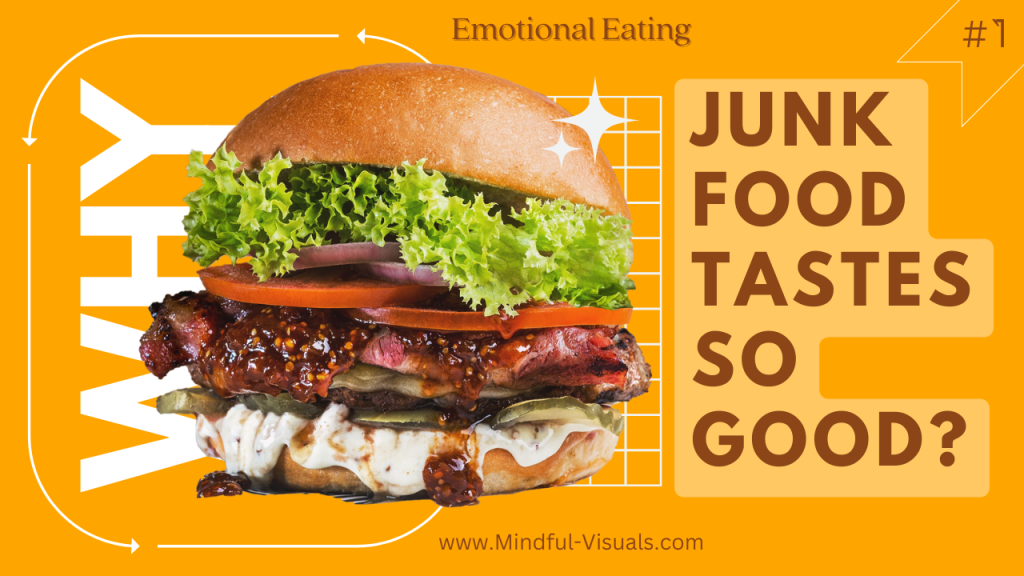
Emotional eating refers to the act of consuming food in response to emotional triggers rather than physiological hunger. It involves using food as a means to cope with or suppress various emotions such as stress, sadness, boredom, loneliness, or even happiness. Emotional eating often involves eating high-calorie, comfort foods that provide temporary relief but may contribute to long-term negative consequences.
Understanding the Causes:
- Emotional Triggers: Emotional eating can be triggered by a wide range of emotions, including anxiety, depression, anger, or even positive emotions like celebration. Understanding our personal triggers is crucial in addressing emotional eating patterns.
- Childhood Influences: Our upbringing and early experiences with food can shape our emotional eating tendencies. For example, if we were rewarded with food or given treats to soothe our emotions as children, we may carry those habits into adulthood.
- Learned Behaviors: Observing others engage in emotional eating or being exposed to food as a reward or comfort during our formative years can contribute to learned patterns of emotional eating.
The Vicious Cycle:
Emotional eating often follows a cyclical pattern that reinforces the behavior. When triggered by emotions, individuals seek solace in food, which provides temporary relief. However, guilt, shame, or regret usually follow this episode, leading to a negative emotional state, which can trigger further emotional eating, perpetuating the cycle.
Consequences of Emotional Eating:
- Weight Gain and Health Issues: Emotional eating typically involves consuming high-calorie, sugary, or fatty foods, leading to weight gain and increasing the risk of obesity and associated health problems such as diabetes, heart disease, and certain cancers.
- Emotional Well-being: Paradoxically, emotional eating can worsen emotional well-being. The temporary relief provided by food is often followed by negative emotions like guilt, shame, or disappointment, impacting self-esteem and mental health.
Strategies to Overcome Emotional Eating:
- Identify Triggers: Becoming aware of your emotional triggers is the first step in addressing emotional eating. Keep a food and mood journal to track patterns and identify the emotions that precede your episodes of emotional eating.
- Seek Alternative Coping Mechanisms: Instead of turning to food, explore alternative ways to cope with your emotions, such as engaging in physical activity, practicing mindfulness or meditation, journaling, or seeking support from friends, family, or a therapist.
- Create a Healthy Food Environment: Surround yourself with nutritious food options, and avoid keeping trigger foods easily accessible. Fill your pantry and fridge with healthy snacks and meals to make it easier to make mindful choices.
- Practice Mindful Eating: Slow down and savor your meals. Pay attention to hunger and fullness cues, and eat with intention and awareness. Mindful eating can help break the automatic response of turning to food for emotional reasons.
Emotional eating is a complex issue that can significantly impact our physical and emotional well-being. By understanding the causes, consequences, and implementing strategies to overcome emotional eating, we can develop healthier relationships with food and find alternative ways to manage our emotions effectively. Remember, seeking support from professionals or joining support groups can provide valuable guidance on the journey towards breaking free from emotional eating patterns.

