
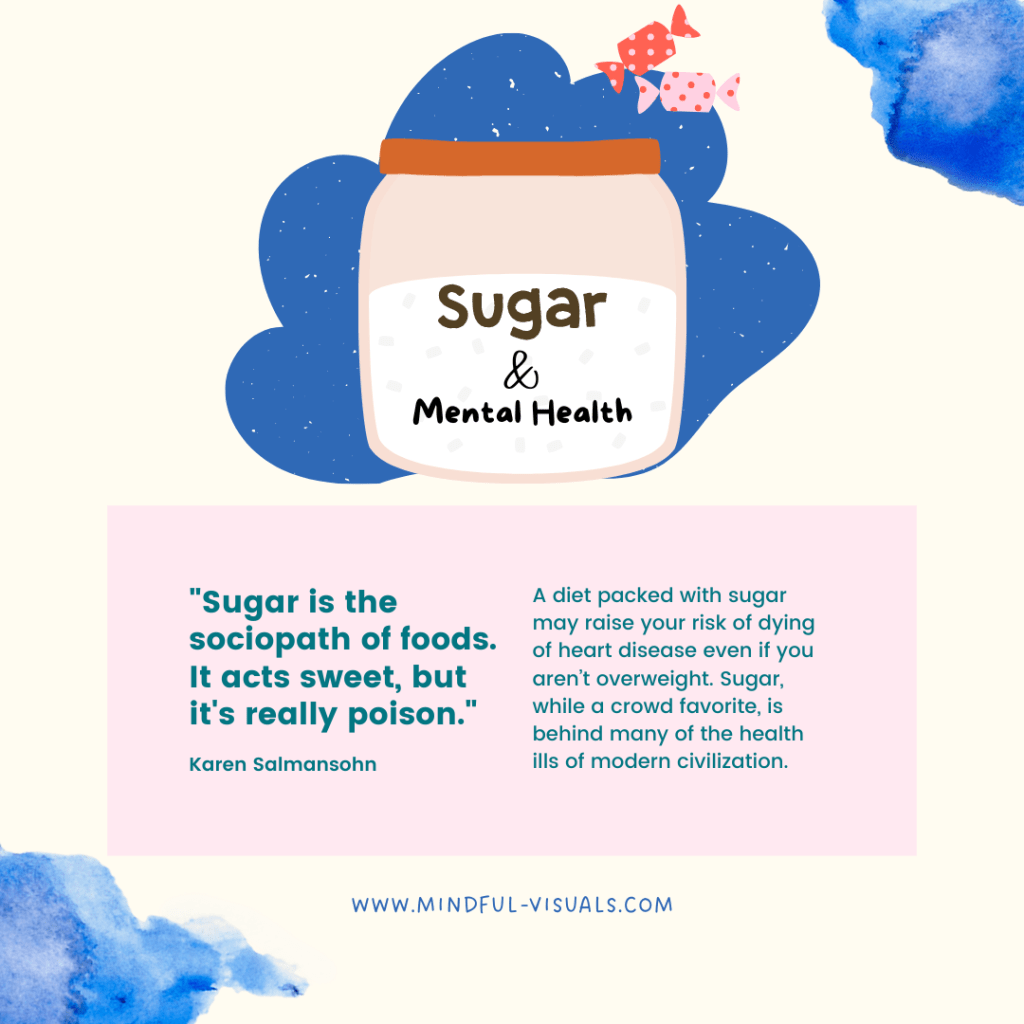
- The Sugar Rush – Understanding the Link:
- Inflammation and the Brain:
- The Gut-Brain Connection:
- Sugar Addiction and Mental Health:
In recent years, the impact of diet on mental health has become an area of growing interest among researchers and health professionals. While many factors can influence our mental well-being, one particular ingredient that has garnered attention is sugar. We often associate sugar with its effects on physical health, such as obesity and diabetes. However, emerging evidence suggests that excessive sugar consumption may also have significant implications for mental health. In this blog post, we will delve into the relationship between sugar and mental health, shedding light on how our sweet tooth may be affecting our emotional well-being.
The Sugar Rush – Understanding the Link:
When we consume sugary foods or beverages, our bodies experience a rapid spike in blood sugar levels. This sudden surge is commonly referred to as a “sugar rush.” While it may provide a temporary burst of energy and pleasure, the aftermath can be less desirable. Studies have shown that consuming large amounts of sugar can lead to a subsequent crash in blood sugar levels, triggering feelings of fatigue, irritability, and mood swings. This rollercoaster effect can have a profound impact on our emotional state, exacerbating symptoms of anxiety and depression.
Inflammation and the Brain:
Beyond its immediate impact on blood sugar levels, excessive sugar intake has been linked to chronic inflammation in the body. Inflammation is the body’s natural response to injury or infection. However, when it becomes chronic, it can have detrimental effects on various bodily systems, including the brain. Research has shown that chronic inflammation in the brain is associated with an increased risk of mental health disorders, including depression and anxiety. Excessive sugar consumption can contribute to this inflammatory response, potentially heightening the vulnerability to these conditions.
How inflammation in the body may explain depression in the brain
The Gut-Brain Connection:
In recent years, scientists have uncovered a fascinating relationship between our gut and our brain, known as the gut-brain axis. Our gut houses trillions of bacteria, collectively known as the gut microbiota, which play a crucial role in various aspects of our health, including mental well-being. Emerging research suggests that a diet high in sugar can disrupt the balance of these gut bacteria, leading to an imbalance in neurotransmitters and affecting mood regulation. Furthermore, an unhealthy gut microbiota has been associated with increased stress and anxiety. Thus, excessive sugar intake may disrupt the delicate balance of our gut-brain axis, influencing our mental health.
The Gut-Brain Connection: How it Works and The Role of Nutrition
Sugar Addiction and Mental Health:
Sugar has been shown to activate reward centers in the brain, leading to feelings of pleasure and cravings for more. Similar to substance addiction, some individuals may develop a dependence on sugar, seeking it as a means of coping with stress or emotional difficulties. However, the long-term consequences of sugar addiction can be detrimental to mental health. Excessive sugar consumption can disrupt dopamine signaling, a neurotransmitter involved in reward and pleasure, potentially leading to an increased risk of developing mental health disorders.
Your Anxiety Loves Sugar. Eat These 3 Things Instead
While the occasional indulgence in sugary treats is unlikely to have a significant impact on mental health, the regular and excessive consumption of sugar may contribute to the development or exacerbation of mental health disorders. The sugar rush and subsequent crash, inflammation in the brain, disruption of the gut-brain axis, and the potential for sugar addiction all highlight the intricate relationship between sugar and mental well-being. By being mindful of our sugar intake and prioritizing a balanced diet, we can take proactive steps towards nurturing our mental health and overall well-being.
Disclaimer: This blog post is for informational purposes only and should not be considered a substitute for professional medical advice. If you have concerns about your mental health, please consult a qualified healthcare professional.

