
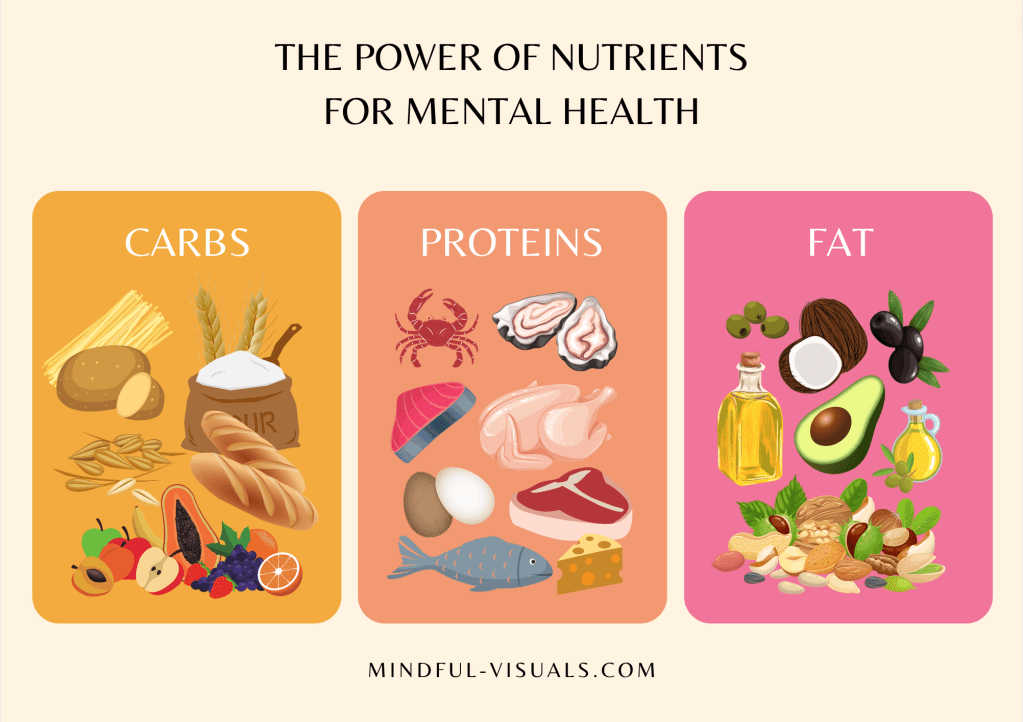
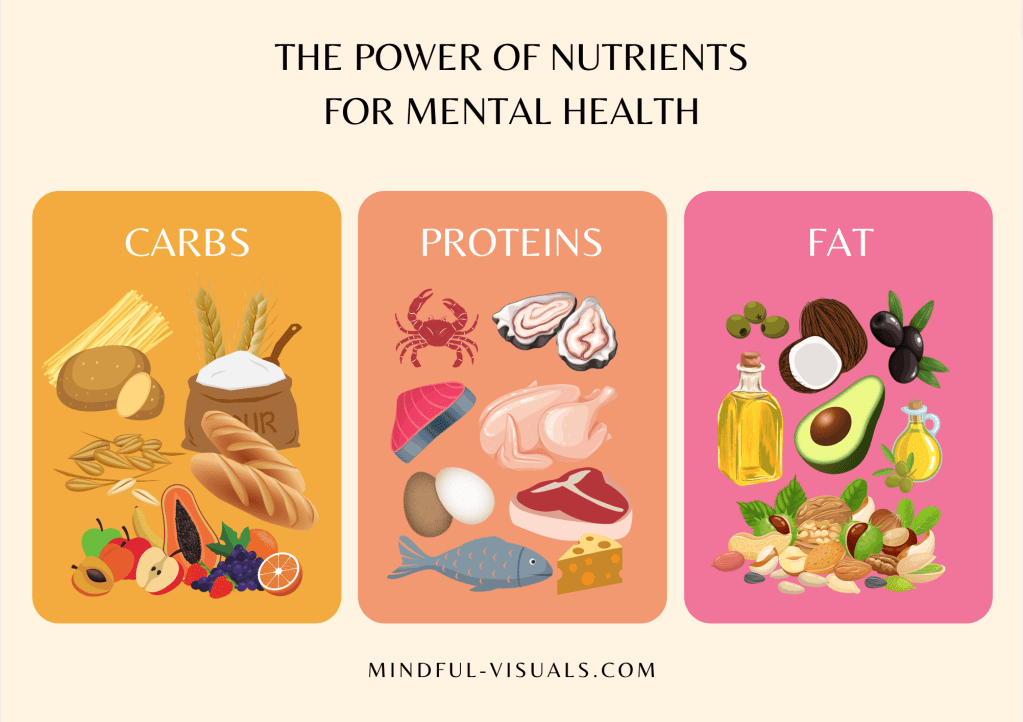
In the fast-paced world we live in, taking care of our mental health is more important than ever. While therapy, exercise, and self-care practices are essential, we often overlook the powerful impact that nutrition can have on our mental well-being. The foods we eat contain vital nutrients that not only fuel our bodies but also support our brain health. In this blog post, we will explore some key nutrients that play a crucial role in boosting mental health and suggest ways to incorporate them into your diet.
Omega-3 Fatty Acids
Omega-3 fatty acids, such as EPA (eicosapentaenoic acid) and DHA (docosahexaenoic acid), are essential for optimal brain function. These healthy fats are found in fatty fish like salmon, mackerel, and sardines. They are known to reduce inflammation in the brain, which is often associated with mental health conditions like depression and anxiety. If you’re vegetarian or vegan, you can still obtain omega-3s from plant-based sources like flaxseeds, chia seeds, and walnuts.
What are omega-3 fatty acids and what do they do?
B Vitamins
B vitamins, particularly vitamins B6, B9 (folate), and B12, are involved in the production of neurotransmitters, the chemicals that regulate mood and behavior. Low levels of these vitamins have been linked to depression and cognitive decline. You can find vitamin B6 in foods like chickpeas, bananas, and chicken breast. Folate is abundant in leafy green vegetables, beans, and citrus fruits, while vitamin B12 is primarily found in animal products such as meat, fish, and dairy.
Magnesium
Magnesium is a mineral that plays a crucial role in maintaining good mental health. It helps regulate neurotransmitters, promotes relaxation, and improves sleep quality. Leafy greens, nuts and seeds (like almonds and pumpkin seeds), whole grains, and legumes are excellent sources of magnesium. Incorporating these foods into your diet can support a healthy mind and body.
Antioxidants
Antioxidants are compounds that protect the brain from oxidative stress caused by free radicals. Berries, such as blueberries and strawberries, are rich in antioxidants and have been associated with improved memory and cognitive function. Dark chocolate, green tea, and colorful fruits and vegetables like spinach, kale, and sweet potatoes also provide a wide range of antioxidants that support brain health.
Antioxidants Explained in Simple Terms
Probiotics
Emerging research suggests a strong link between gut health and mental health. Probiotics, the beneficial bacteria that reside in our gut, play a vital role in maintaining a healthy gut-brain axis. Foods like yogurt, kefir, sauerkraut, and kimchi contain probiotics that can positively influence mood and reduce symptoms of anxiety and depression.
Probiotics: What You Need To Know
While nutrition alone cannot cure mental health disorders, incorporating these mental health-boosting nutrients into your diet can support your overall well-being and contribute to a healthier mind. Remember, it’s important to maintain a balanced diet that includes a variety of nutrient-rich foods. If you have specific dietary concerns or mental health conditions, it’s always advisable to consult with a healthcare professional or a registered dietitian who can provide personalized recommendations tailored to your needs. Take the first step towards nourishing your mind and embracing a healthier lifestyle today.

