
- The Gut-Brain Connection
- Nutrient Deficiencies and Mental Health
- Blood Sugar Balance and Mood
- Inflammation and Mental Health
- The Role of Serotonin
In today’s fast-paced world, maintaining good mental health is more important than ever. While there are several factors that can impact our mood, one often overlooked aspect is our diet. It may come as a surprise, but what we eat can significantly affect our emotional well-being. In this blog post, we will explore the fascinating relationship between diet and mood, and how making mindful choices about what we consume can have a positive impact on our mental health.
The Gut-Brain Connection
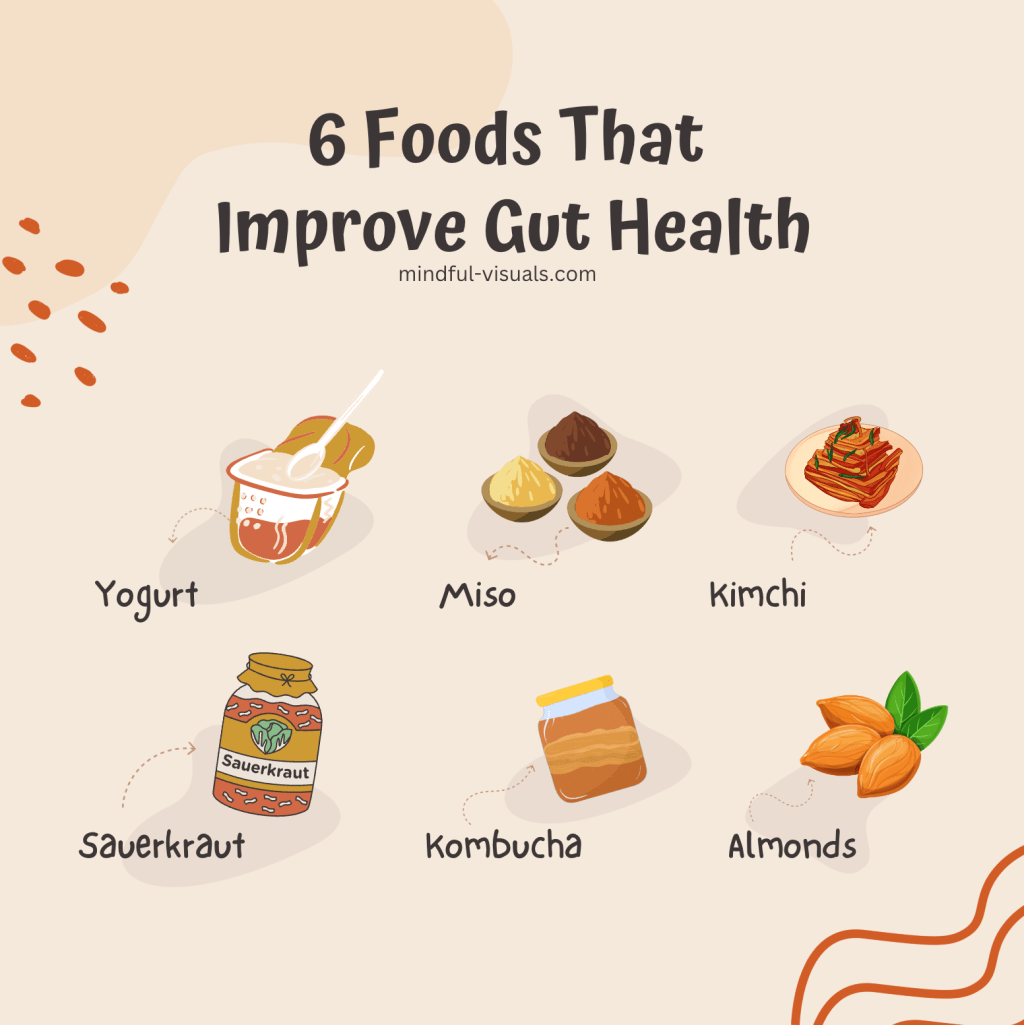
The gut-brain axis is a bidirectional communication system between the gastrointestinal tract and the brain. Research has revealed that the gut microbiota, the community of microorganisms living in our digestive system, plays a crucial role in regulating mood and behavior. A healthy gut microbiome is associated with a lower risk of developing mental health disorders such as anxiety and depression. Consuming a diet rich in fiber, prebiotics, and probiotics can help promote a diverse and balanced gut microbiome, leading to improved mood.
Nutrient Deficiencies and Mental Health
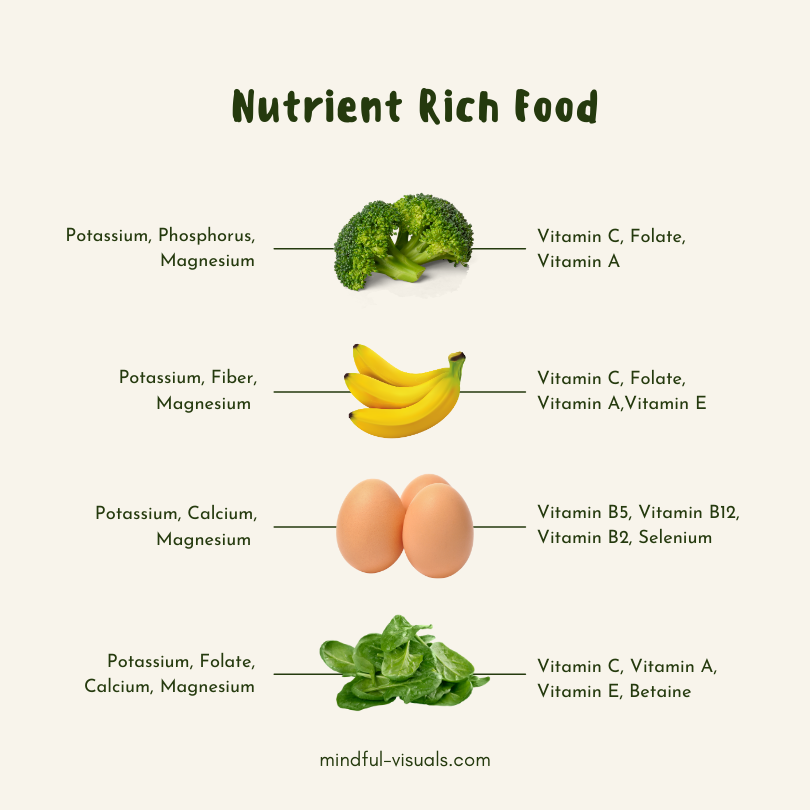
Our brain requires a range of nutrients to function optimally. Deficiencies in certain vitamins and minerals have been linked to mental health issues. For example, low levels of vitamin D, omega-3 fatty acids, and B vitamins have been associated with an increased risk of depression and other mood disorders. By incorporating foods like fatty fish, leafy greens, nuts, seeds, and whole grains into our diet, we can ensure an adequate intake of these essential nutrients and support our mental well-being.
Blood Sugar Balance and Mood

Mood Swings and Blood Sugar Spikes, Are They Connected?
The foods we eat can have a significant impact on our blood sugar levels. Consuming high-sugar and refined carbohydrate-rich meals leads to rapid spikes in blood sugar, followed by crashes. These fluctuations can cause mood swings, irritability, and fatigue. Opting for a balanced diet that includes complex carbohydrates, lean proteins, and healthy fats helps stabilize blood sugar levels, promoting a more stable and positive mood.
Inflammation and Mental Health
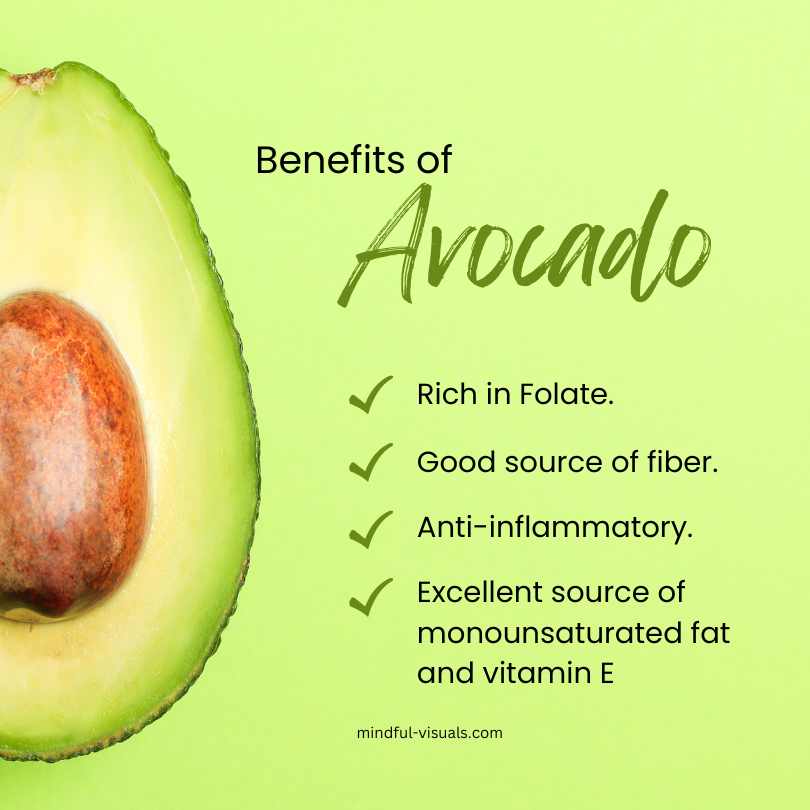
Chronic inflammation in the body has been linked to a range of physical and mental health problems, including depression. A poor diet that is high in processed foods, trans fats, and sugar can contribute to systemic inflammation. On the other hand, an anti-inflammatory diet rich in fruits, vegetables, whole grains, and healthy fats can help reduce inflammation and support mental well-being.
The Role of Serotonin
Serotonin: What It Is, How to Increase It, and Can You Have Too Much?
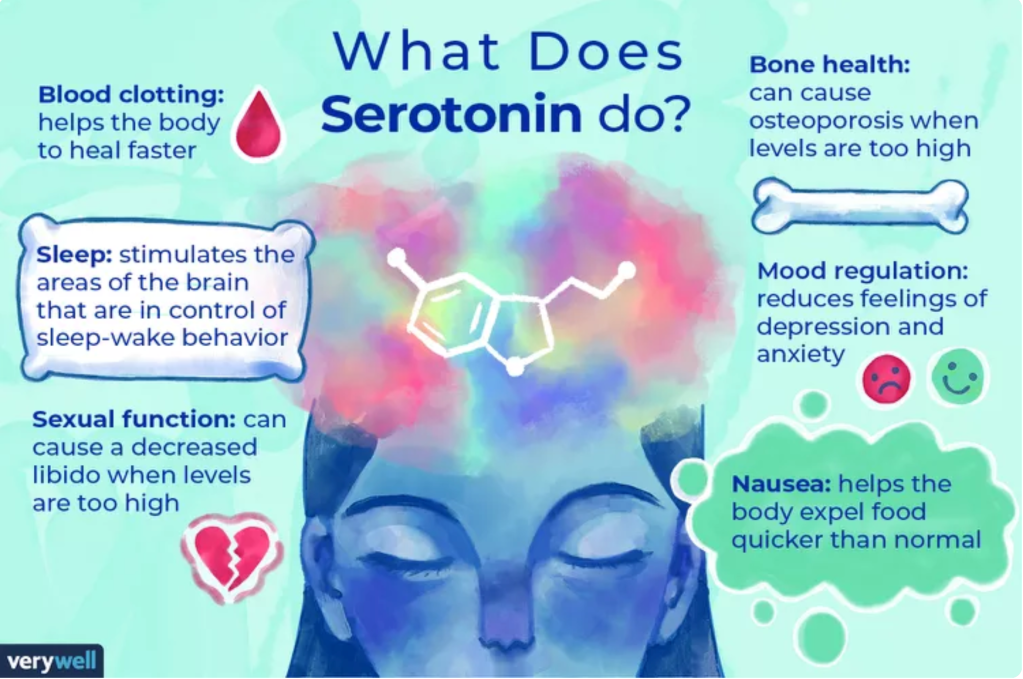
Serotonin is a neurotransmitter known as the “feel-good” chemical because it plays a crucial role in regulating mood. Interestingly, about 90% of serotonin is produced in the gut. The production of serotonin relies on the availability of the amino acid tryptophan, which can be obtained through dietary sources like turkey, chicken, eggs, nuts, and seeds. Including these foods in our diet can help boost serotonin levels and promote a more positive mood.
While diet alone cannot solve all mental health issues, it is clear that our food choices have a significant impact on our mood and emotional well-being. By adopting a balanced diet that includes whole foods, fiber, essential nutrients, and supports a healthy gut microbiome, we can improve our mental resilience and promote a more positive outlook on life. So, let’s make conscious decisions about what we eat and embrace the powerful connection between diet and mood.

 Mindful-Visuals
Leave a reply to Björn Cancel reply